Exterior painting requires suitable weather conditions to achieve a smooth, durable finish. Learn how temperature, humidity, rainfall, wind and sunlight...
Why Does Paint Peel? Common Causes and How to Prevent It
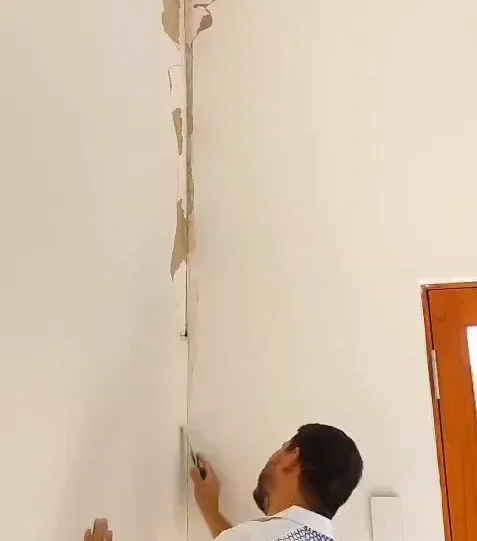
TABLE OF CONTENTS:
- Why Does Paint Peel?
- Common Causes of Peeling Paint
- 1. Moisture and Water Damage
- 2. Poor Surface Preparation
- 3. Painting Over Old or Unstable Paint
- 5. Painting Over Glossy Surfaces
- 8. Temperature and Weather Conditions
- Different Types of Peeling Paint
- Example: Why Paint Can Peel in One Area but Not Another
- DIY Repair vs Professional Painting
- Painting Services for Peeling and Damaged Surfaces
- Frequently Asked Questions
Why does paint peel?
In most cases, peeling paint is a sign that the coating has lost adhesion to the surface underneath. Moisture is one of the most common causes, but it is not the only one. Poor surface preparation, painting over unstable old coatings, dirt or grease, glossy surfaces, unsuitable primers, damp substrates and harsh weather conditions can all contribute to paint failure.
The location of the peeling can also tell you a lot. Paint coming away from a bathroom ceiling may point towards moisture or poor ventilation, while peeling around an exterior window could indicate water getting behind the coating. On the other hand, widespread flaking across an older wall may simply mean the existing coating has deteriorated and needs proper preparation before repainting.
For Adelaide homes, these issues can be particularly noticeable on exterior surfaces exposed to strong sunlight, heat, wind, dust and changing weather conditions.
The important thing is not to simply cover peeling paint with another coat. The visible damage is often a symptom of a deeper problem. Identifying the cause first gives you a much better chance of achieving a durable result.
This guide explains why paint peels, how to identify the likely cause, how peeling paint can be repaired and what you can do to prevent it from returning.
Common Causes of Peeling Paint
There is rarely one universal explanation for peeling paint. The cause depends on the surface, location, age of the coating, previous preparation and environmental conditions.
Below are some of the most common causes homeowners encounter.
Moisture and Water Damage
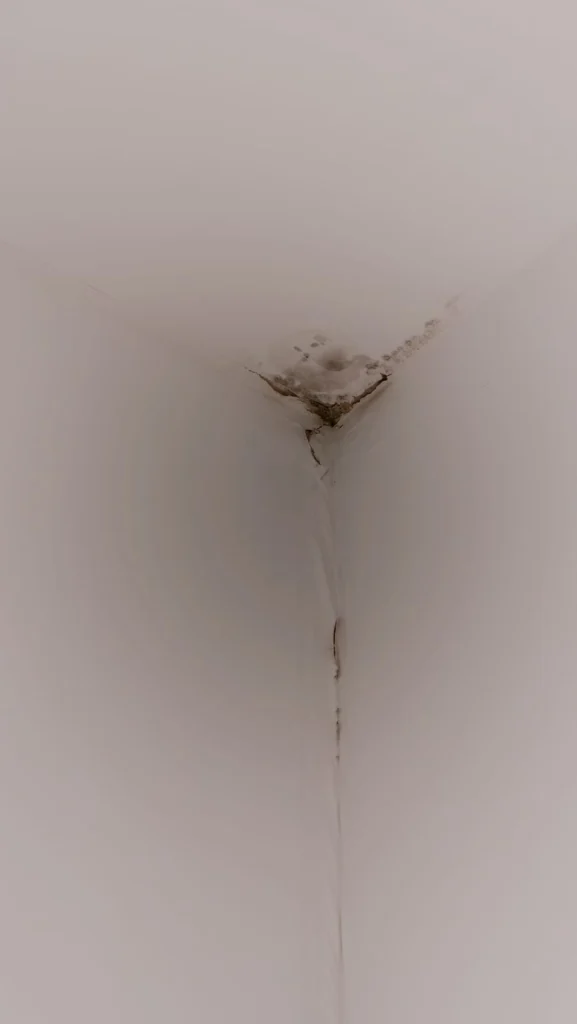
Moisture is one of the first things to investigate when paint starts peeling.
Water can reach a painted surface in several ways, including:
- Plumbing leaks
- Roof leaks
- Damaged gutters
- Poor drainage
- Failed sealants
- Cracks around openings
- Water entering through exterior walls
- Condensation
- Bathroom humidity
- Poorly sealed windows
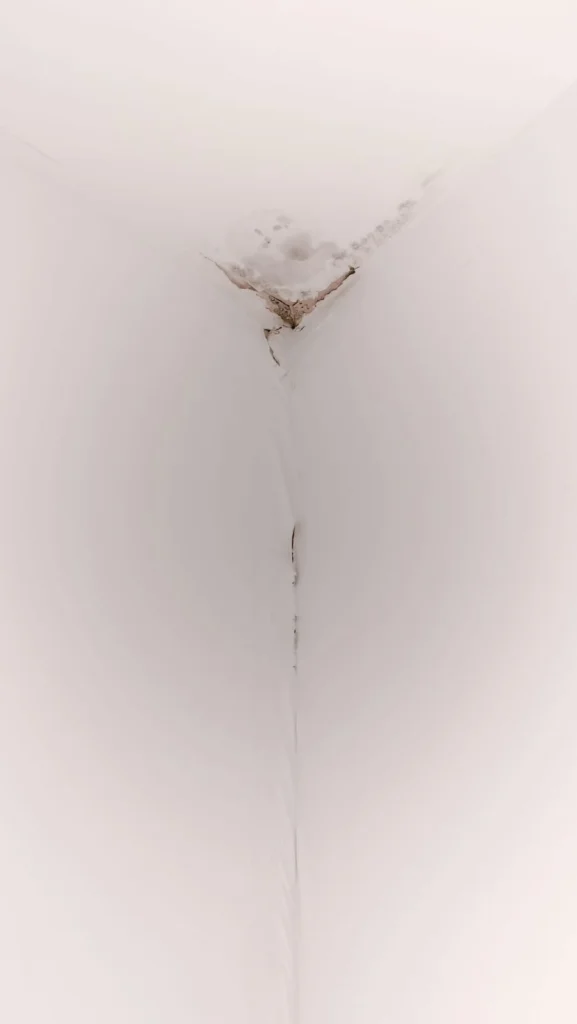
Once moisture gets beneath a paint film, it can interfere with adhesion. Depending on the substrate and coating, the surface may swell, blister, soften or deteriorate.
Eventually, the paint can begin to lift away.
What Does Moisture-Related Peeling Look Like?
You may notice:
- Bubbling or blistering
- Yellow or brown stains
- Soft or damaged areas
- Peeling around windows
- Peeling near ceilings
- Mould or mildew
- A musty smell
- Repeated peeling in exactly the same location
If you repaint an affected area and it starts peeling again relatively quickly, that is a reason to investigate further.
The problem may not be the new paint at all. There could be an unresolved source of moisture behind or around the coating.
Australian Government health guidance also emphasises controlling dampness and moisture and addressing building faults such as leaks when dealing with moisture and mould concerns.
If your property has a roof or drainage issue contributing to exterior deterioration, professional roof painting services may be part of a broader maintenance solution, although the underlying leak itself should be repaired before painting.
Poor Surface Preparation
A fresh coat of paint cannot turn an unstable surface into a stable one.
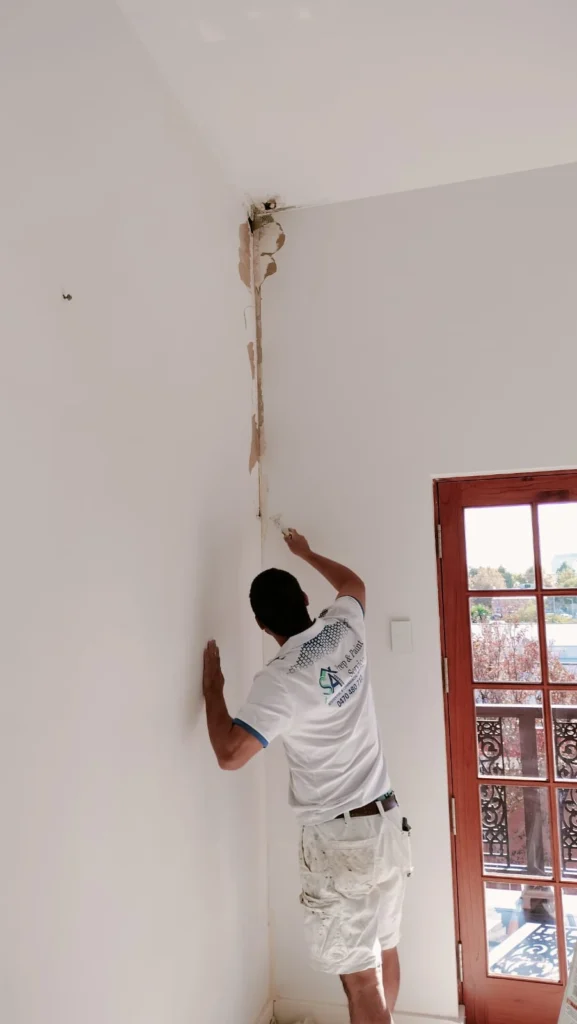
Good preparation is one of the most important parts of a painting project. Depending on the condition of the surface, preparation may include:
- Cleaning
- Scraping
- Sanding
- Filling
- Repairing cracks
- Removing loose material
- Allowing damp areas to dry
- Priming
- Sealing where appropriate
If loose or poorly bonded paint is left underneath a new coating, the new paint may adhere to the unstable layer rather than to a sound surface.
That can create a problem months later.
A Simple Example
Imagine an exterior wall with several patches of flaking paint.
Instead of removing the loose material, someone applies another coat over the entire wall.
At first, the result looks fresh.
But the new paint has not corrected the weak bond underneath. As the old coating continues to move or separate, the new coating can fail along with it.
This is why surface preparation often has more influence on the long-term result than simply adding another coat of paint.
If a wall needs substantial preparation before repainting, professional wall painting services can be useful where scraping, repairs, sanding and coating preparation are required.
Painting Over Old or Unstable Paint
Old paint is not automatically a problem.
A previous coating can sometimes remain suitable for repainting if it is sound, well bonded and properly prepared.
The problem starts when the existing coating is already:
- Peeling
- Flaking
- Bubbling
- Cracked
- Powdery
- Chalking
- Poorly bonded
- Contaminated
Painting over unstable paint may hide the problem for a while, but it does not make the underlying coating stable.
If the old layer continues to separate, the new layer may eventually separate with it.
Before repainting, the existing surface should therefore be assessed rather than assuming that every old coating needs either complete removal or immediate overcoating.
The right approach depends on the condition of the existing paint and the substrate beneath it.
Painting Over Glossy Surfaces
Glossy paint has a smooth, hard finish that can make adhesion more difficult for a new coating.
If a new water-based or other compatible coating is applied directly over a hard glossy surface without suitable preparation, the new paint may not develop the bond required for long-term performance.
Depending on the existing coating and the new paint system, preparation may involve:
Cleaning
Degreasing
Sanding or deglossing
Removing loose material
Applying a suitable bonding primer
The exact preparation should be based on the surface and manufacturer’s recommendations.
Simply adding another coat does not automatically solve an adhesion problem.
Temperature and Weather Conditions
Paint needs suitable conditions to dry and cure properly.
Extreme temperatures, high humidity, rain and strong direct sunlight can affect the application process.
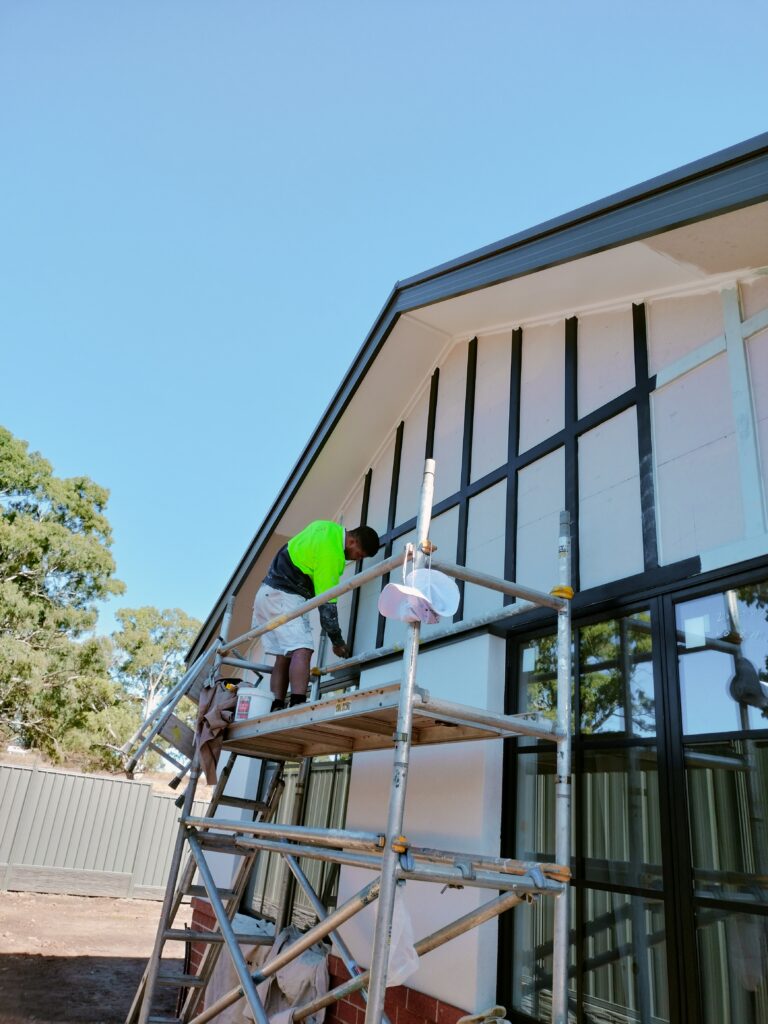
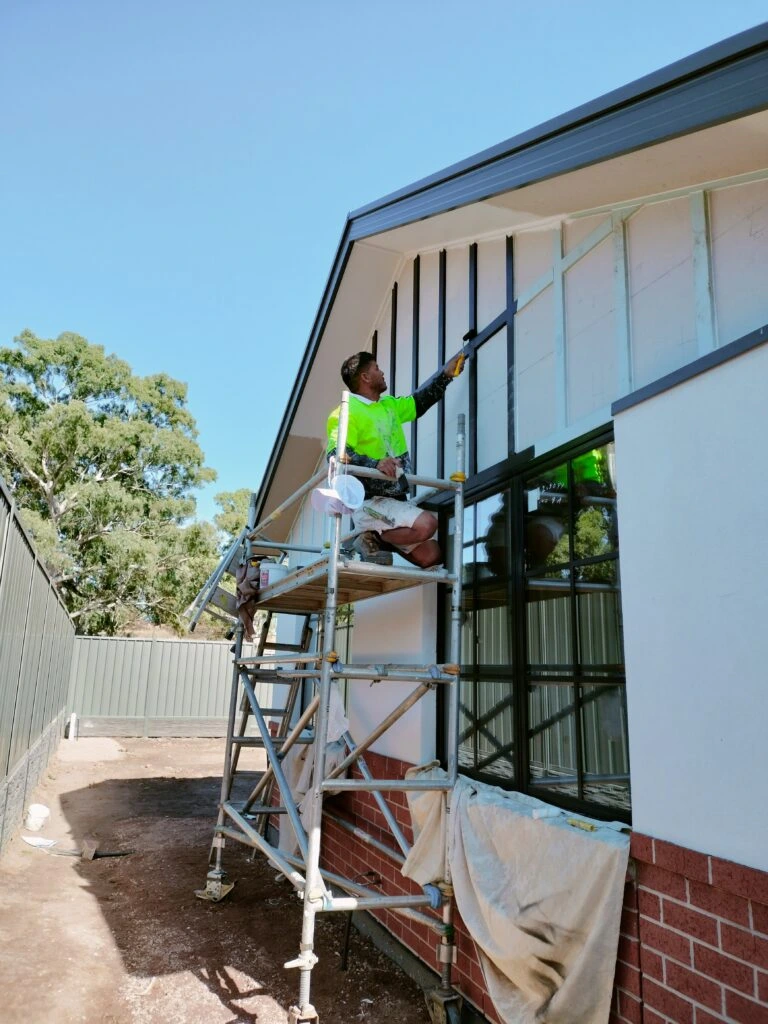
Exterior walls are particularly exposed to changing conditions.
A wall might be:
- Hot in direct afternoon sunlight
- Damp after overnight condensation
- Wet after rain
- Dusty after windy weather
These conditions can affect how a coating behaves.
This is one reason exterior painting is not simply a matter of choosing a colour and applying it whenever convenient.
The surface, weather and product requirements all need to be considered.
For Adelaide properties, exposure can vary significantly from one elevation of a house to another. A north- or west-facing wall may experience considerably different sunlight and heat exposure from a shaded wall.
Different Types of Peeling Paint
Flaking paint
Flaking usually appears as pieces of paint lifting away from the surface.
It may be associated with ageing coatings, poor adhesion or inadequate preparation.
Bubbling or blistering
Blisters are raised areas where the coating has lifted from the surface.
Moisture and heat can contribute to this type of failure.
Cracking followed by peeling
Cracking can occur before larger sections begin to separate.
If cracks repeatedly return, the condition of the substrate should be investigated.
Peeling in sheets
When large sections separate from a wall, there may be a significant adhesion problem.
This can happen when a newer coating has been applied over an unstable old coating.
Powdery or chalky paint
A powdery residue on an exterior coating can indicate deterioration.
The surface may require specific preparation before a new coating is applied.
The appearance alone cannot always identify the exact cause, but it can help determine where to start investigating.
Why Paint Can Peel in One Area but Not Another
Consider two exterior walls on the same Adelaide house.
One wall receives strong afternoon sunlight for several hours each day. The other is shaded by neighbouring buildings and vegetation.
Both walls were painted around the same time.
After several years, the exposed wall has faded and developed areas of peeling, while the shaded wall still looks relatively sound.
That does not automatically mean different paint was used.
The two surfaces have simply experienced different conditions.
Now consider the inside of the same house.
A bedroom wall may remain in good condition for years, while a hallway painted at the same time develops scuffs and marks much sooner.
Again, the difference is use.
This is why the age of the paint should not be the only factor when deciding whether repainting is necessary.
Surface condition, exposure, moisture and everyday use all matter.
DIY Repair vs Professional Painting
Small paint repairs can sometimes be handled by a homeowner who is comfortable with preparation and has the appropriate equipment.
DIY repair may make sense when:
- The affected area is small
- There is no ongoing moisture problem
- The existing coating is mostly sound
- The surface is easy to reach
- You understand the required preparation
- You have suitable tools
Professional painting may be worthwhile when:
- Large areas are peeling
- The cause is unclear
- Moisture is involved
- There is widespread bubbling
- Exterior surfaces are affected
- Several rooms need repair
- The old coating is extensively damaged
- Significant preparation is required
- You need a consistent finish across a large area
Painting Services for Peeling and Damaged Surfaces
If you’re dealing with peeling paint in Adelaide, SA Prep and Paint Services Pty Ltd provides residential and commercial painting services across Adelaide and surrounding areas.
Depending on the condition of the property, a painting project may involve:
- Surface preparation
- Removal of loose paint
- Sanding
- Minor surface repairs
- Priming
- Interior painting
- Exterior painting
- Repainting
- Finishing coats
You can learn more about:
- Residential painting services in South Australia
- Professional commercial painting services
- Professional interior painting services
- Professional wall painting services
- Professional roof painting services
If peeling is extensive or the cause is unclear, it is sensible to assess the surface before repainting.
Recent Posts
How to Prepare Walls for Painting: An Adelaide Homeowner’s Guide
Learn how to prepare walls for painting in Adelaide with simple steps for cleaning, repairing, sanding and priming surfaces to...
How to Choose the Right Paint Finish for Every Room in Your Adelaide Home
Learn how to choose the right paint finish for every room in your Adelaide home, from living rooms and bedrooms...
Interior vs Exterior Paint: What Adelaide Homeowners Need to Know
Learn the key differences between interior and exterior paint, including durability, weather resistance, finishes and surface requirements. Discover how Adelaide...
+61 470 480 710
Contact and Whatsapp
saprepandpaintservices@outlook.com
contact us, we are available 24/7
Frequently Asked Questions
Why does paint peel from walls?
Paint can peel when it loses adhesion to the underlying surface. Moisture, poor preparation, contamination, unstable old paint, glossy surfaces, unsuitable primers and damp substrates are common causes.
Why is my paint peeling in the bathroom?
Bathroom paint peeling is often associated with moisture, condensation, humidity or inadequate ventilation. However, leaks, poor surface preparation and coating problems can also contribute.
How many coats of paint do new walls need?
New walls may require a suitable primer or sealer before the finish coats. A common system is primer/sealer followed by two finish coats, depending on the substrate and product.
How do I fix peeling paint?
Start by identifying the cause. Remove loose paint, prepare and clean the surface, repair damaged areas, allow the substrate to dry, prime where required and apply a suitable coating system
Can I paint over peeling paint?
It is generally not advisable to simply paint over loose or peeling paint. The unstable coating should be removed or properly prepared so the new paint has a sound surface to bond to.
Does moisture cause paint to peel?
Yes. Moisture can interfere with paint adhesion and contribute to blistering, bubbling, cracking and peeling. If moisture is recurring, the source should be addressed before repainting.
Why does exterior paint peel?
Exterior paint can peel because of water penetration, poor preparation, unstable previous coatings, unsuitable application conditions, failed sealants and prolonged exposure to sunlight and weather.