
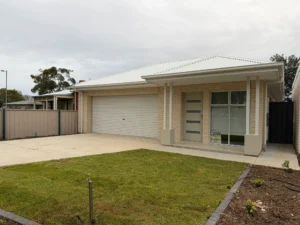
Exterior painting requires suitable weather conditions to achieve a smooth, durable finish. Learn how temperature, humidity, rainfall, wind and sunlight...
Interior vs Exterior Paint: What Adelaide Homeowners Need to Know
TABLE OF CONTENTS:
- What Is Primer?
- Primer vs Paint: What Is the Difference?
- When Do You Need Primer Before Painting?
- When Can You Paint Without a Separate Primer?
- How Adelaide Conditions Can Affect Exterior Paint
- Choosing the Right Type of Primer
- Common Primer Mistakes Homeowners Make
- Primer and Paint: Pros and Cons
- How SA Prep and Paint Approaches Surface Preparation
- Final Thoughts
- Frequently Asked Questions
Interior vs Exterior Paint: What Is the Difference?
The main difference between interior and exterior paint is the environment in which the coating is expected to perform.
Interior paint is formulated for indoor surfaces such as walls, ceilings, doors and other suitable areas inside a property.
Exterior paint is formulated for outdoor surfaces that may experience:
Sunlight
UV exposure
Rain
Wind
Humidity
Temperature changes
Moisture
Dirt and airborne contaminants
Because these environments are different, the paint selected should be appropriate for the surface and location.
Interior paint can provide a suitable decorative finish for living spaces, bedrooms, hallways and other indoor areas.
Exterior paint needs to withstand conditions that indoor paint normally does not encounter.
This is why homeowners should not automatically assume that one type of paint can be used everywhere.
For homeowners considering a complete property painting project, our residential painting services in South Australia cover a range of interior and exterior painting requirements.
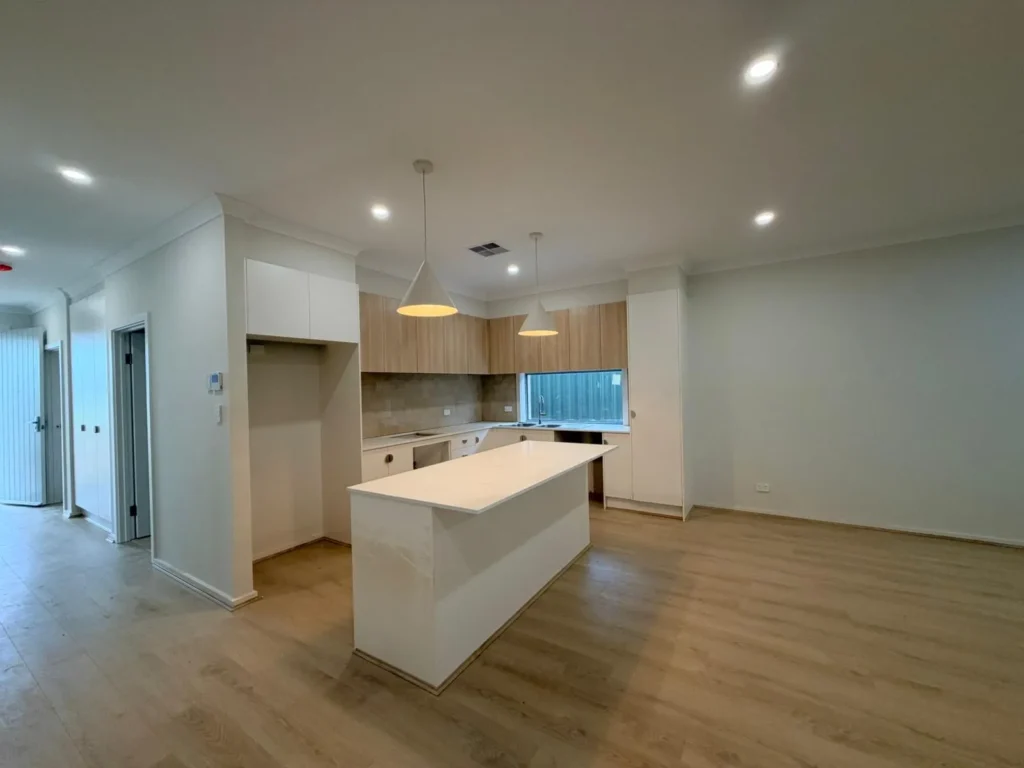
What Is Interior Paint?
Interior paint is designed for surfaces inside a home or building.
Common applications include:
Living room walls
Bedroom walls
Hallways
Dining rooms
Ceilings
Interior doors
Some cabinetry and trim
Other suitable indoor surfaces
Interior areas generally do not experience direct rain or outdoor weather.
However, interior walls can still experience everyday wear.
Children, pets, furniture, cooking, cleaning and regular household activity can all affect painted surfaces.
For this reason, homeowners may consider factors such as:
Washability
Stain resistance
Finish
Colour
Sheen level
Odour
Application requirements
Room conditions
The correct product should always be selected according to the manufacturer’s recommendations and the surface being painted.
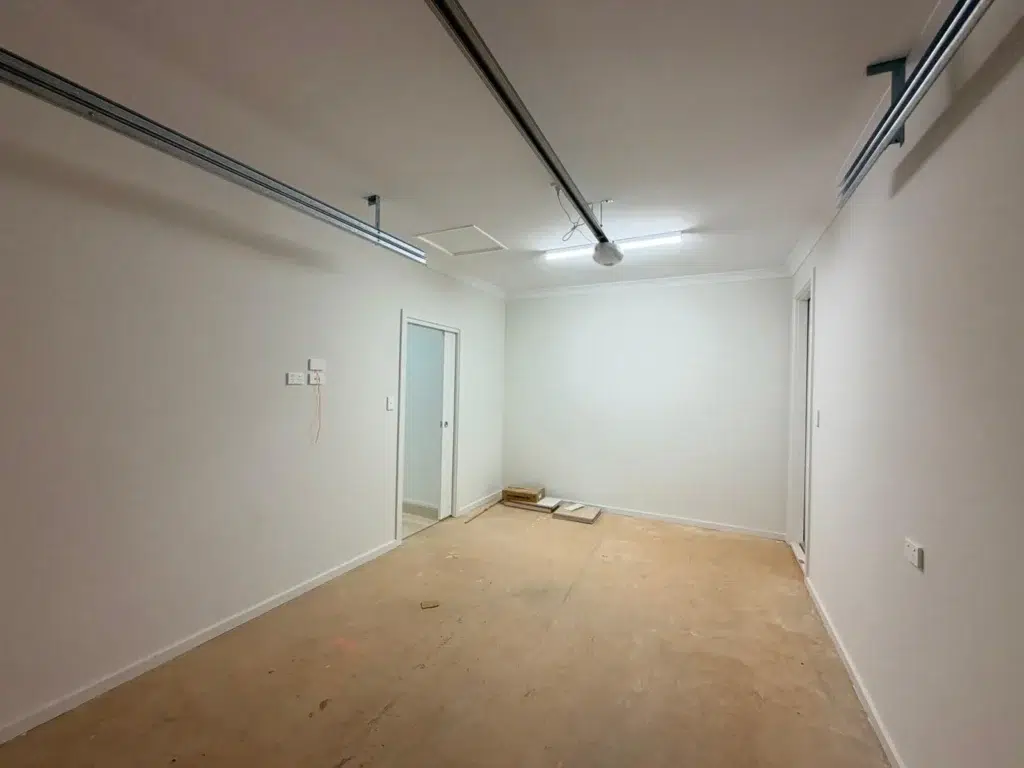
What Is Exterior Paint?
Exterior paint is designed for suitable outdoor surfaces.
Exterior walls and other outdoor surfaces can experience much greater environmental exposure than interior walls.
Depending on the property, exterior paint may need to cope with:
Direct sunlight
UV radiation
Rain
Wind
Moisture
Temperature fluctuations
Dust
Dirt
Seasonal weather changes
Common exterior applications include:
Rendered walls
Timber surfaces
Exterior doors
Fascias
Eaves
Weatherboards
Suitable masonry surfaces
Other compatible exterior substrates
Exterior coatings are therefore selected based on the surface, environmental exposure and manufacturer’s specifications.
For an Adelaide property, the condition of the existing exterior surface should also be considered before choosing a coating system.
Adelaide’s weather can influence exterior painting, particularly through temperature, sunlight, rainfall, wind and humidity. Our guide on how weather affects exterior painting in Adelaide explains these factors in more detail.
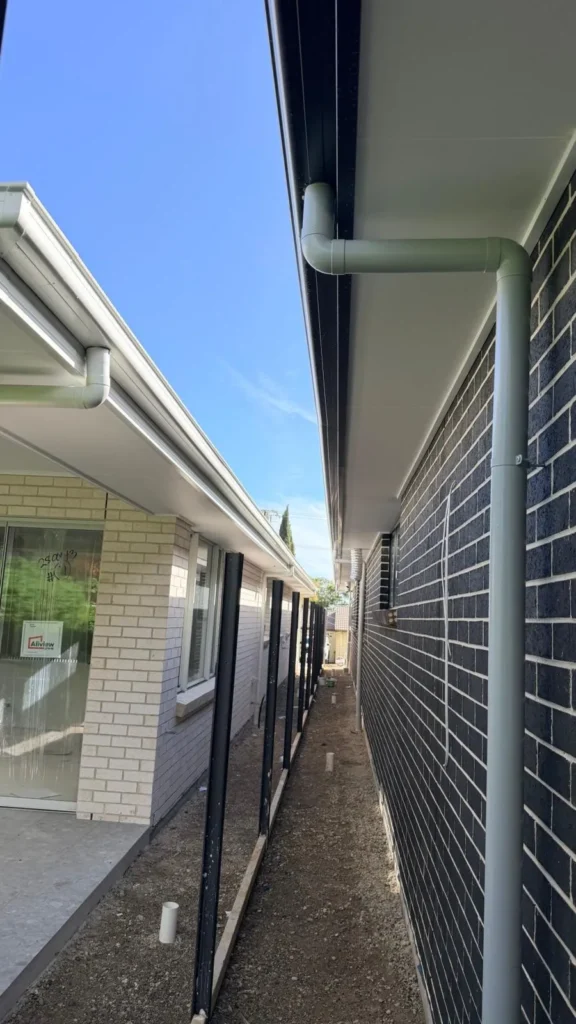
Interior vs Exterior Paint: Key Differences
Although both products are designed to provide colour and protection, interior and exterior paints serve different purposes.
1. Weather Exposure
Interior paint is generally protected from outdoor weather.
Exterior paint must cope with changing outdoor conditions.
This makes weather exposure one of the most important differences between the two.
2. UV Exposure
Exterior surfaces can receive direct sunlight for extended periods.
UV exposure can contribute to colour changes and coating deterioration over time.
Interior surfaces generally receive much less direct UV exposure.
3. Moisture
Exterior surfaces can be exposed to rain and other forms of outdoor moisture.
Interior surfaces can also experience moisture, particularly in kitchens, bathrooms and laundry areas, but the conditions are different.
The paint selected should therefore be suitable for the specific environment.
4. Durability Requirements
Exterior surfaces generally need a coating system suitable for outdoor exposure.
Interior surfaces need to withstand everyday household use, cleaning and normal wear.
Durability therefore needs to be considered differently depending on where the paint is being applied.
5. Washability
Interior walls can collect fingerprints, marks, dust and stains.
A washable interior coating can be useful in areas that receive regular contact or require frequent cleaning.
Examples include:
Hallways
Kitchens
Children’s rooms
Family rooms
High-traffic areas
6. Flexibility
Exterior surfaces can experience movement caused by changes in temperature and environmental conditions.
Exterior coating systems are therefore designed with outdoor conditions in mind.
7. Finish and Appearance
Interior painting often places significant emphasis on the appearance and feel of the finished room.
Homeowners can choose from different sheen levels depending on the room and desired appearance.
Exterior painting also involves colour and finish selection, but the coating must be suitable for the outdoor substrate and exposure conditions.
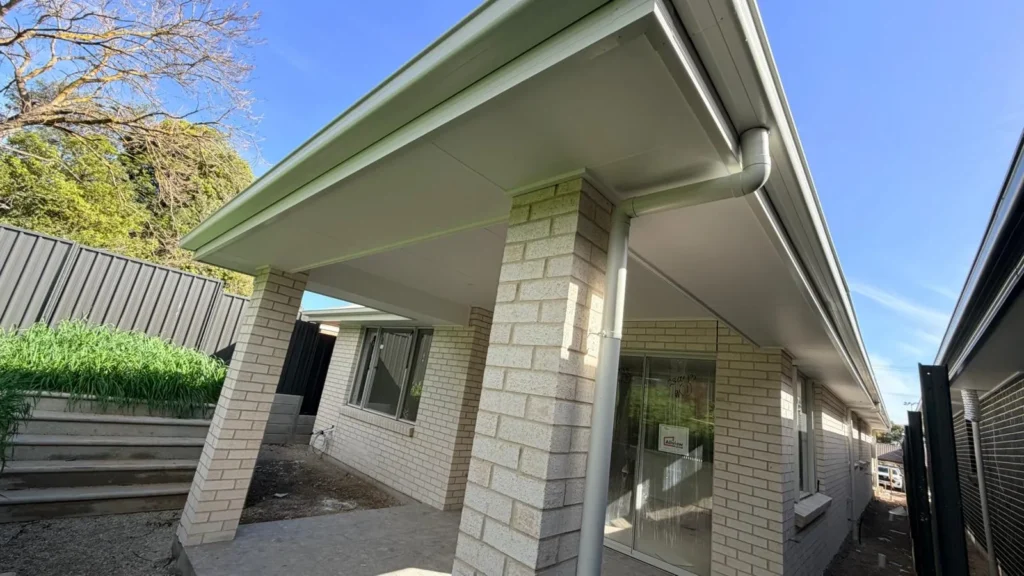
Can You Use Interior Paint Outside?
nterior paint should not automatically be used on exterior surfaces.
A product designed for indoor conditions may not have the properties required for prolonged outdoor exposure.
Exterior surfaces can experience:
UV radiation
Rain
Temperature changes
Wind
Moisture
Dirt
Using an unsuitable product may affect the appearance and service life of the coating.
Always check the manufacturer’s product information to confirm whether a particular paint is suitable for exterior use.
If you are unsure about the existing coating or the correct product, a professional painter can assess the surface and recommend an appropriate approach.
For homeowners planning exterior work, you can also learn more about our professional roof painting services if the painting project includes the roof.
Can You Use Exterior Paint Inside?
Exterior paint should also not automatically be used for interior walls.
Exterior products are formulated for particular outdoor conditions and may have different application and performance characteristics from interior products.
Indoor spaces have their own requirements.
For example, homeowners may need to consider:
Odour
Ventilation
Washability
Room use
Finish
Indoor air considerations
Manufacturer recommendations
The fact that a paint is designed to withstand outdoor conditions does not necessarily mean it is the appropriate choice for every interior application.
Always check the product label and technical information before using a coating indoors.
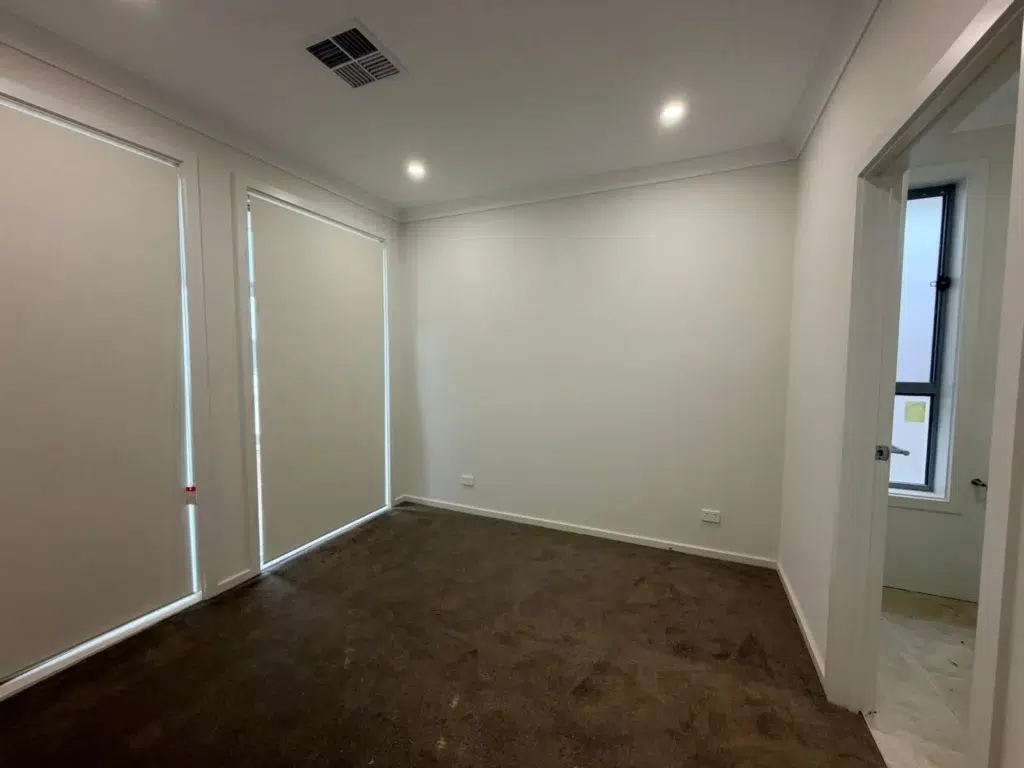
Choosing Interior Paint for Different Rooms
Different rooms can have different painting requirements.
Living Rooms
Living rooms generally allow homeowners considerable flexibility when choosing colour and finish.
A practical finish can provide a balance between appearance and everyday maintenance.
Bedrooms
Bedrooms often use softer colours and lower-sheen finishes.
The choice ultimately depends on the desired appearance and the product selected.
Kitchens
Kitchen walls can be exposed to:
Cooking residue
Grease
Steam
Food splashes
Frequent cleaning
A suitable washable coating can make ongoing maintenance easier.
Bathrooms
Bathrooms experience higher humidity and moisture than many other rooms.
Before painting, check for:
Moisture problems
Peeling paint
Mould
Water damage
Poor ventilation
Painting should not be used to hide an ongoing moisture problem.
Hallways
Hallways can experience frequent contact from people, furniture and everyday household activity.
A durable and washable interior finish can be useful in these areas.
Choosing Exterior Paint for Different Surfaces
Exterior paint selection should consider the substrate as well as the environmental conditions.
Rendered Walls
Rendered surfaces may require specific preparation and a coating suitable for the render system.
Cracks, loose material and previous coating problems should be assessed before painting.
Timber
Timber can require careful preparation before painting.
Existing coatings, weathering, moisture and the condition of the timber should all be considered.
Exterior Doors
Exterior doors receive regular handling and outdoor exposure.
The coating should be suitable for the door material and intended environment.
Fascias and Eaves
These surfaces can experience sunlight, wind and moisture.
Preparation is important before applying a suitable exterior coating.
Masonry Surfaces
Masonry can have different levels of porosity and surface condition.
The appropriate coating system depends on the substrate and manufacturer’s recommendations.
Why Surface Preparation Matters for Interior and Exterior Painting
Choosing the correct paint is only one part of a successful painting project.
The condition of the surface also matters.
Interior and exterior surfaces may require preparation such as:
Cleaning
Removing loose paint
Scraping
Filling holes
Repairing cracks
Sanding
Removing dust
Treating suitable stains
Priming selected areas
Exterior surfaces may require additional attention because they are exposed to weather and environmental conditions.
Interior surfaces can also require significant preparation if they have:
Peeling paint
Cracks
Holes
Grease
Water stains
Previous poor repairs
Glossy coatings
For more information, read our guide on how to prepare walls for painting.
Proper preparation can help create a more suitable surface for the selected coating and contribute to a cleaner finished appearance.
Interior vs Exterior Painting: Which Requires More Preparation?
Interior and exterior paints are designed for different environments and should be selected according to the surface, location and expected conditions.
Interior painting generally focuses on appearance, washability and everyday household use, while exterior painting must also account for sunlight, UV exposure, rain, moisture, wind and temperature changes.
Regardless of whether you are painting inside or outside, surface preparation remains an important part of the process.
If you are planning a painting project in Adelaide, you can contact SA Prep and Paint for a painting quotation.
SA Prep and Paint provides painting services for homes and businesses across Adelaide and surrounding areas.
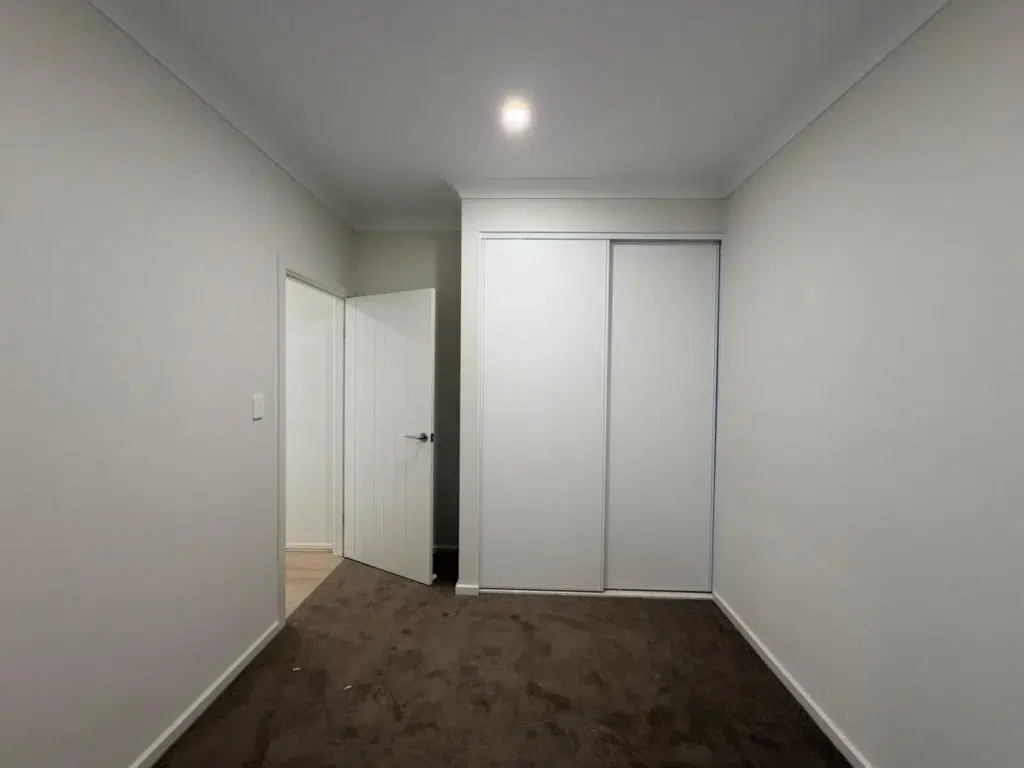
Recent Posts

How to Prepare Walls for Painting: An Adelaide Homeowner’s Guide
Learn how to prepare walls for painting in Adelaide with simple steps for cleaning, repairing, sanding and priming surfaces to...
How to Choose the Right Paint Finish for Every Room in Your Adelaide Home
Learn how to choose the right paint finish for every room in your Adelaide home, from living rooms and bedrooms...
Interior vs Exterior Paint: What Adelaide Homeowners Need to Know
Learn the key differences between interior and exterior paint, including durability, weather resistance, finishes and surface requirements. Discover how Adelaide...
+61 470 480 710
Contact and Whatsapp
saprepandpaintservices@outlook.com
contact us, we are available 24/7
Frequently Asked Questions
What is the main difference between interior and exterior paint?
Interior paint is designed for indoor environments, while exterior paint is designed to withstand outdoor conditions such as sunlight, rain, moisture and temperature changes.
Can I use interior paint outside?
Interior paint should not normally be used for exterior surfaces unless the specific product is explicitly approved by the manufacturer for that application.
Can exterior paint be used inside?
Do not assume that exterior paint is suitable for indoor use. Check the manufacturer’s product information and application requirements before using it inside.
Is exterior paint more durable than interior paint?
The two types are designed for different environments, so durability should be considered in relation to the intended application rather than simply comparing one type with the other