
How Weather Affects Exterior Painting in Adelaide
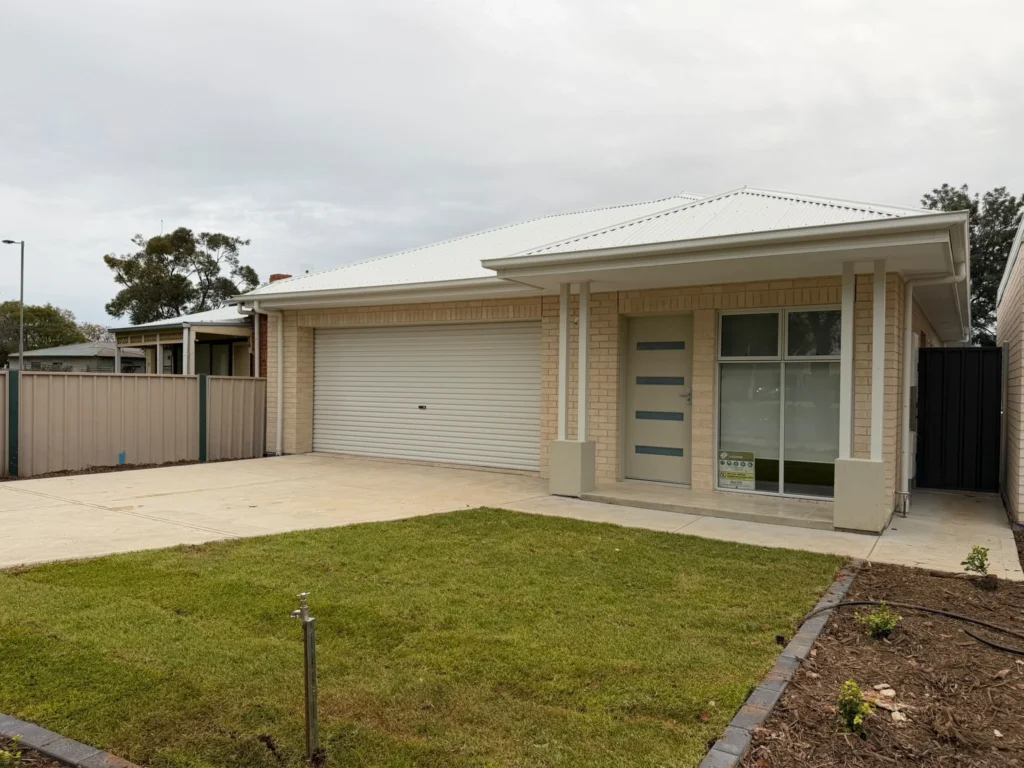
Exterior painting requires suitable weather conditions to achieve a smooth, durable finish. Learn how temperature, humidity, rainfall, wind and sunlight can affect paint application, drying and curing when painting your Adelaide home.
How to Prepare Walls for Painting: An Adelaide Homeowner’s Guide
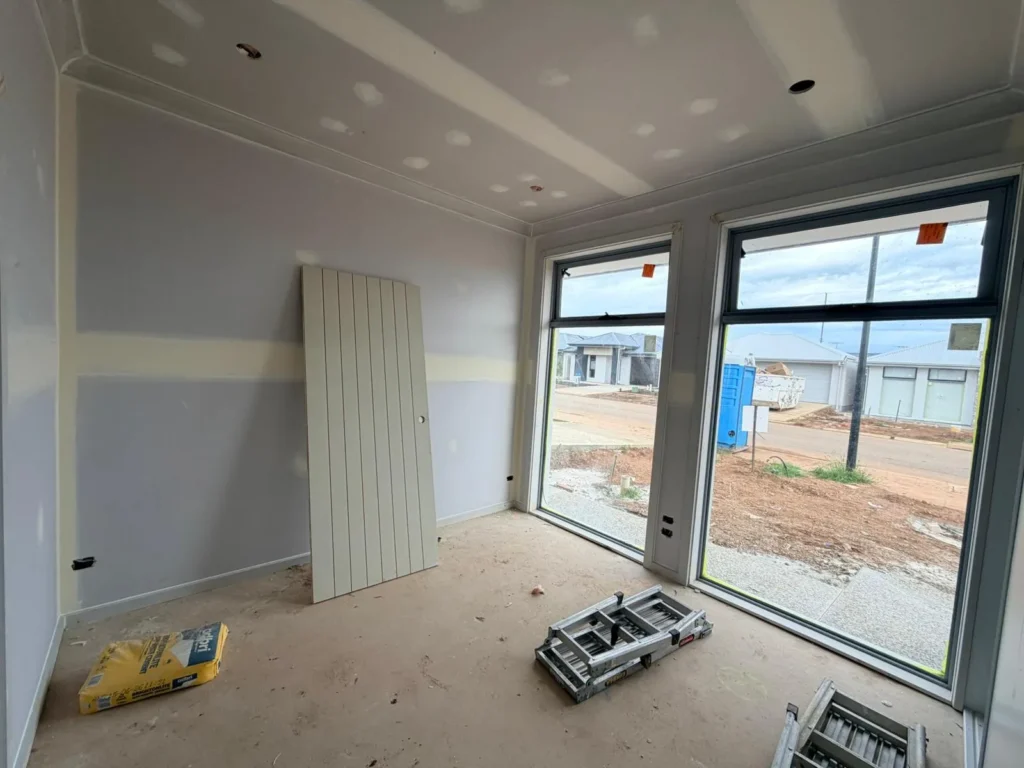
Learn how to prepare walls for painting in Adelaide with simple steps for cleaning, repairing, sanding and priming surfaces to achieve a smooth, professional paint finish.
How to Choose the Right Paint Finish for Every Room in Your Adelaide Home
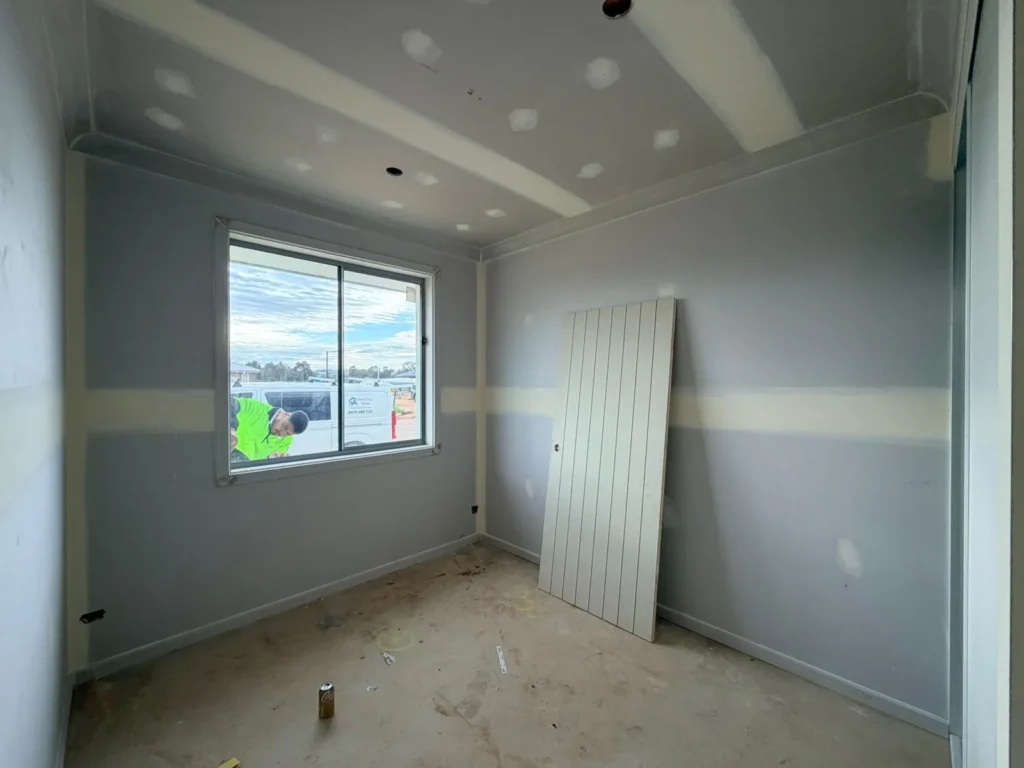
Learn how to choose the right paint finish for every room in your Adelaide home, from living rooms and bedrooms to kitchens, bathrooms and hallways. Discover how sheen, durability, cleaning needs, lighting and surface condition can influence your interior paint finish.
Interior vs Exterior Paint: What Adelaide Homeowners Need to Know
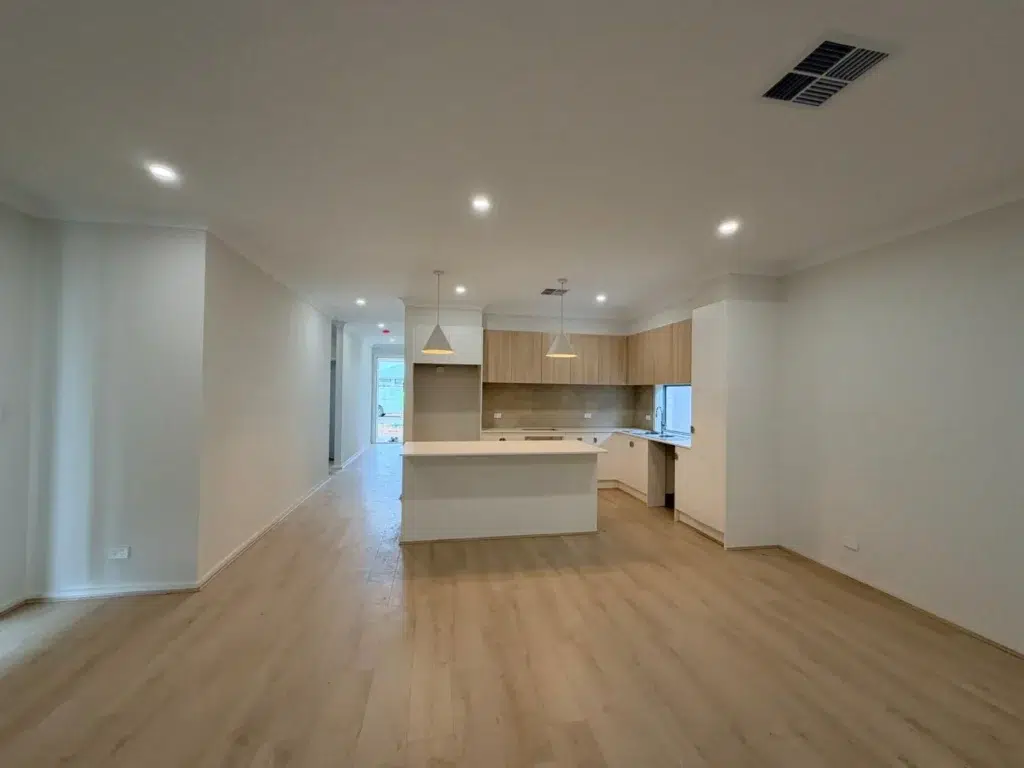
Learn the key differences between interior and exterior paint, including durability, weather resistance, finishes and surface requirements. Discover how Adelaide homeowners can choose the right paint for different areas of their homes.
Do You Need Primer Before Painting? An Adelaide Homeowner’s Guide for 2026
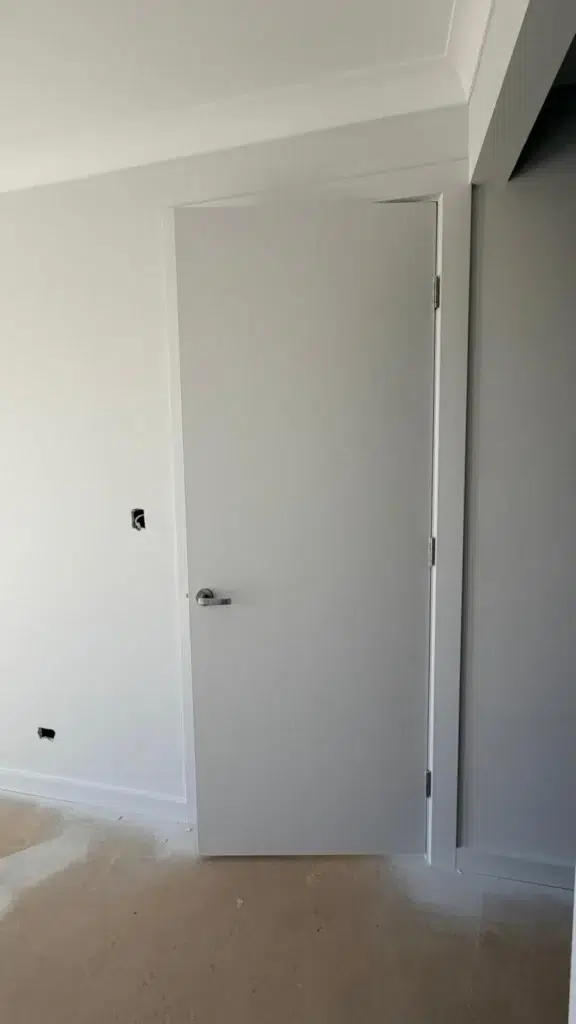
Home / Do You Need Primer Before Painting? An Adelaide Homeowner’s Guide for 2026 TABLE OF CONTENTS: What Is Primer? Primer vs Paint: What Is the Difference? When Do You Need Primer Before Painting? When Can You Paint Without a Separate Primer? How Adelaide Conditions Can Affect Exterior Paint Choosing the Right Type of Primer Common Primer Mistakes Homeowners Make Primer and Paint: Pros and Cons How SA Prep and Paint Approaches Surface Preparation Final Thoughts Frequently Asked Questions What Is Primer? Primer is a coating applied to a surface before the finish coats of paint. Its purpose is different from ordinary decorative paint. Depending on the product and the surface, primer can help improve adhesion, seal porous materials, provide a suitable base for topcoats and help address particular surface conditions. A primer is not simply an extra coat of ordinary paint. For example, a wall containing fresh filler or plaster can absorb paint differently from the surrounding painted area. Without suitable preparation, the repaired sections may look noticeably different after the finish coat is applied. Similarly, a smooth or previously glossy surface may not provide the same level of adhesion as a properly prepared painted wall. This is why the question should not simply be: Do I need primer? A better question is: What does this surface need before the finish paint is applied? That distinction helps avoid unnecessary products while also preventing shortcuts that can compromise the final result. Primer vs Paint: What Is the Difference? Paint and primer can look similar, but they perform different jobs. Primer Primer is generally designed to: Prepare a surface for subsequent coatings Improve adhesion where required Seal porous surfaces Help create a more uniform base Support better coverage in certain situations Address particular stains or substrate conditions when the appropriate specialist primer is used Finish Paint The finishing coats are primarily selected for: Appearance Sheen Durability Washability Colour retention Protection appropriate to the environment Some modern products are formulated to provide both priming and finishing functions on suitable surfaces. However, that does not mean the same product is appropriate for every substrate or every condition. Always follow the manufacturer’s instructions for the specific surface and product. Dulux, for example, provides separate preparation guidance for interior surfaces, exterior surfaces and weather-affected substrates. GET A PAINTING QUOTE When Do You Need Primer Before Painting? Not every painted wall needs a separate primer. However, primer can be useful when a surface is new, porous, repaired, stained, glossy or difficult to adhere to. Here are the main situations where primer may be needed. 1. New or Bare Surfaces Bare plaster, plasterboard, timber, masonry and other new surfaces can absorb paint unevenly. A suitable primer or sealer can help create a more consistent base. The correct product depends on the material, so always follow the manufacturer’s recommendations. 2. Fresh Plaster and Patch Repairs Fresh filler and repaired areas can absorb paint differently from the surrounding wall. Without suitable preparation, patched sections may remain visible after painting. Priming repaired areas can help create a more even finish. 3. Stained Walls Water marks, smoke stains and other marks may show through ordinary paint. A suitable stain-blocking primer can help, but active leaks or moisture problems should always be fixed first. 4. Glossy or Difficult Surfaces Smooth or glossy surfaces may not provide enough adhesion for a new coating. Cleaning, sanding or using a suitable bonding primer may be necessary. 5. Bare Timber and Masonry Timber, brick and masonry can require different preparation from ordinary painted walls. The appropriate primer depends on the material, its condition and the coating system being used. 6. Major Changes in Surface Colour Changing from a very dark colour to a much lighter shade may require additional preparation or a suitable base coat. The result depends on the existing colour, chosen paint and surface condition. 7. Exterior Surfaces Exterior surfaces are exposed to sunlight, rain, wind and temperature changes. They may require cleaning, scraping, sanding, repairs and suitable preparation before painting. Dulux notes that prolonged sunlight exposure can contribute to exterior paint problems such as fading and blistering. The right coating system should therefore be selected based on the surface and its condition. When Can You Paint Without a Separate Primer? A separate primer is not necessarily required for every repaint. If you have a sound, previously painted surface with good adhesion, minimal repairs and a compatible finish system, the preparation process may involve cleaning, light abrasion and direct application of the appropriate finishing product. Some modern paints are also designed to function as self-priming products on specified surfaces. For example, Dulux lists some Weathershield products as self-priming on most surfaces, while still providing specific requirements and guidance for exterior preparation. The important point is not to assume: Primer is always necessary. or Primer is never necessary. Both statements can be wrong. The correct approach depends on the surface and coating system. GET A PAINTING QUOTE How Adelaide Conditions Can Affect Exterior Paint Adelaide properties experience significant exposure to sunlight and seasonal weather changes. South Australia’s Department for Environment and Water reports that average temperatures in the state are now higher than in the 1970s and that Adelaide has experienced substantially more days reaching 40°C in the last decade than in the preceding four decades. For property owners, this makes exterior coating selection and preparation worth considering carefully. Sun Exposure Strong sunlight can accelerate degradation of some exterior coatings. Dulux notes that direct sunlight can contribute to chalking, blistering and fading. A wall with heavy afternoon sun exposure may therefore experience different wear from a more sheltered surface. Weather Exposure Exterior walls can also experience rain, wind and moisture. Deteriorated or weathered surfaces should be properly prepared before repainting rather than simply covered with another layer. Different Sides of the Property May Wear Differently One side of a house may remain comparatively protected while another receives more direct sunlight or exposure to weather. This means that the condition of exterior paintwork should be
Why Hire Professional House Painters? 7 Benefits Homeowners Should Know
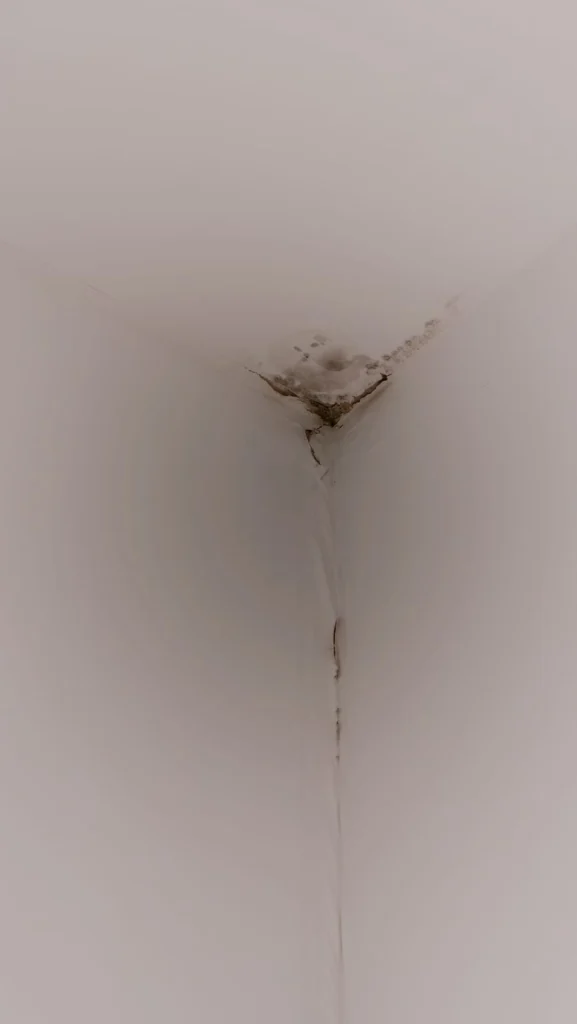
Home / Why Hire Professional House Painters? 7 Benefits Homeowners Should Know TABLE OF CONTENTS: What Do Professional House Painters Actually Do? 7 Benefits of Hiring Professional House Painters Professional Painting vs DIY: Which Is Better? Are Professional House Painters Worth the Cost? When Should You Hire a Professional Painter? How to Choose the Right House Painter What Should Be Included in a Painting Quote? How to Prepare Your Home Before Painters Arrive Professional House Painting With SA Prep and Paint Final Thoughts Frequently Asked Questions What Do Professional House Painters Actually Do? Before comparing DIY painting with professional painting, it helps to understand what you are actually paying for. A professional painting job is much more than applying two coats of paint. Depending on the property and condition of the surfaces, the process may include: Inspecting walls, ceilings, trims and other surfaces Identifying cracks, holes, peeling or damaged paint Cleaning and preparing surfaces Sanding rough or failing areas Filling holes and minor imperfections Priming surfaces where required Protecting floors, furniture, fittings and surrounding areas Selecting suitable paints and finishes Applying coatings consistently Cutting in around windows, doors and other details Checking the finish between coats Cleaning the work area after completion The exact preparation depends on the surface. For example, a previously painted interior wall in reasonable condition may need relatively simple preparation. An older exterior surface with peeling paint, chalking, cracks or weather damage may require considerably more work before painting can begin. This preparation is one of the biggest differences between simply painting a house and having it professionally repainted. Paint manufacturers also emphasise the importance of suitable surface preparation. For example, Dulux guidance for coating systems requires surfaces to be clean, sound and free from contaminants, with imperfections appropriately repaired and certain substrates correctly cured before coating. A good painter therefore does not simply ask, “What colour do you want?” They also need to ask, “What condition is the surface in, and what does it need before the new coating goes on?” 7 Benefits of Hiring Professional House Painters 1. Better Surface Preparation Good painting starts with proper preparation. Professional painters inspect walls for cracks, holes, peeling paint, stains and uneven areas before applying new paint. Depending on the surface, preparation may include cleaning, sanding, filling, scraping or priming. This helps create a smoother finish and gives the new coating a better foundation. Poor preparation can cause new paint to look uneven or fail prematurely, even when good-quality paint is used. 2. A More Consistent, Professional Finish Professional painters know how to achieve even coverage, clean edges and consistent results across walls, ceilings, doors and trims. They also understand how factors such as drying time, paint application and natural light can affect the final appearance. This experience is particularly useful for large open-plan areas, feature walls, dark-to-light colour changes and rooms with strong natural light. 3. The Right Paint and Products for the Job Choosing paint involves more than picking a colour. Different surfaces and rooms may require different finishes, primers or products. Professional house painting experts can recommend suitable products based on the surface, location, expected wear and desired finish. They can also help calculate the amount of paint and materials required, reducing unnecessary waste or last-minute purchases. 4. Saves You Time and Physical Effort Painting a house involves much more than rolling paint onto walls. You may need to move furniture, protect floors, prepare surfaces, apply multiple coats, complete touch-ups and clean everything afterwards. For a whole-home repaint, this can take several weekends or longer. Hiring professional painters allows you to spend less time dealing with ladders, paint tins and unfinished rooms while experienced tradespeople manage the project. 5. Safer Painting Work Painting can involve ladders, elevated areas, dust, chemicals and awkward working positions. Older homes may also require additional care around previous coatings or potentially hazardous materials. SafeWork SA provides specific guidance for lead-risk work and asbestos, so suspected hazardous materials should be assessed and handled appropriately before painting begins. Professional painters can also help reduce the everyday risks associated with accessing and working on difficult areas 6. Better Results on Difficult Surfaces Not every painting job involves simple, smooth walls. Professional painters can work with surfaces affected by peeling paint, cracks, stains, weathering, glossy coatings, textured finishes, dark colours and other imperfections. For example, peeling paint should be properly prepared rather than simply covered with another coat. Exterior surfaces can also require additional preparation because they are exposed to Adelaide’s sun, heat, rain, wind and dust. 7. Better Long-Term Results A professional paint job is about more than making your home look fresh on the day it is finished. The condition of the surface, preparation, product selection, application technique, number of coats and ongoing maintenance can all affect how well the finish performs over time. While professional painting does not prevent future maintenance, proper preparation and application can provide a stronger starting point and help you avoid unnecessary repainting caused by poor workmanship. In short, you are paying for more than paint application you are paying for preparation, experience, efficiency and a professional finish. GET A PAINTING QUOTE Professional Painting vs DIY: Which Is Better? DIY painting is not automatically a bad choice. For some small projects, it can be enjoyable and cost-effective. A homeowner who wants to repaint a small bedroom and has the time, equipment and confidence to prepare the walls properly may be perfectly capable of doing the work. The situation changes when the project becomes larger or more complicated. Factor DIY Painting Professional Painting Initial labour cost Lower Higher Your time required High Much lower Equipment Must be purchased or hired Usually provided Surface preparation Depends on experience Included in professional process Large projects More difficult More efficient High areas More challenging Better equipped Finish consistency Depends on skill Experienced application Product selection Homeowner responsibility Professional guidance Safety considerations Homeowner manages risks Professional controls and procedures Clean-up Homeowner Usually included Best suited to Small, straightforward projects Whole
Interior Painting Ideas That Can Help Increase Your Home’s Value
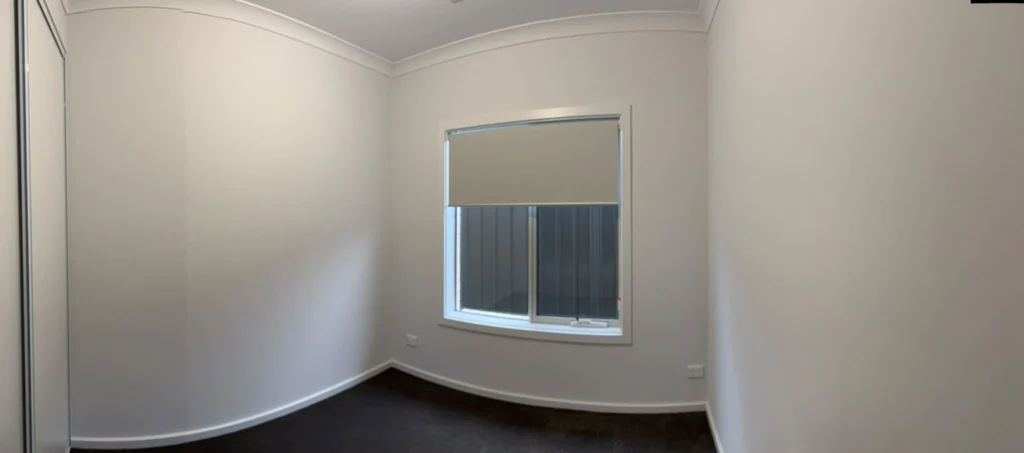
Home / Interior Painting Ideas That Can Help Increase Your Home’s Value TABLE OF CONTENTS: Why Interior Painting Can Matter When Selling a Home Can Painting Really Increase Home Value? The Best Interior Paint Colours for Resale Appeal Why Neutral Colours Often Work Better Before Selling How Paint Colour Can Change the Feel of a Room Should You Paint the Whole House Before Selling? Which Rooms Should You Prioritise? Surface Preparation Matters More Than Most Homeowners Think Painting Before Selling: DIY or Professional? When Painting May Not Be Worth the Cost Interior Painting With SA Prep and Paint Frequently Asked Questions Why Interior Painting Can Matter When Selling a Home The condition of a home’s interior can influence a buyer’s first impression. Walls are one of the largest visible surfaces inside a property. Therefore, faded colours, scuff marks, stains, peeling paint and visible repairs can make an otherwise well-maintained home appear older or less cared for. Fresh paint can have the opposite effect. Clean, consistent walls can make the property feel more finished. In addition, a well-chosen colour scheme can help rooms feel brighter and create a better visual connection between different areas of the house. This does not mean buyers will automatically pay more because a house has been painted. Instead, painting can remove some of the cosmetic issues that may distract buyers or make them feel that additional work will be required after moving in. That is particularly useful when you are competing with other properties in the same market. Can Painting Really Increase Home Value? There is no paint colour or painting project that can guarantee a specific increase in your home’s value. Property value depends on many factors, including location, land size, layout, condition, market demand and comparable sales. However, presentation still matters. A home that looks clean and well maintained can make a stronger impression than a similar property with tired walls and obvious cosmetic defects. For example, imagine two otherwise similar homes. The first has clean walls, fresh neutral colours, repaired imperfections and consistent finishes. The second has faded paint, dark personalised colours, marked hallways and visible wall damage. Even if the underlying properties are similar, the first home may feel more move-in ready to a buyer. That is where interior painting can contribute to a property’s appeal. RACQ also identifies painting as one of the practical home improvements homeowners can consider when preparing a property for resale. However, the organisation does not suggest that painting alone guarantees a particular return. The better way to think about painting is therefore: Improve the presentation → improve buyer appeal → potentially support the property’s marketability. GET A PAINTING QUOTE The Best Interior Paint Colours for Resale Appeal Choosing interior paint colours for yourself is different from choosing them when preparing a home for sale. If you are staying in the property, you can choose colours based entirely on your personality and preferences. If you are selling, however, you want colours that work well with the property and appeal to a wider range of people. Warm Whites Warm whites can create a clean appearance without making a room feel excessively cold. They can work well in: Living rooms Hallways Bedrooms Open-plan areas Kitchens The exact shade matters, though. Some whites have warm undertones, while others appear cooler depending on the lighting. Soft Beige Soft beige can add warmth while remaining relatively neutral. It can work particularly well with timber flooring, natural materials and traditional interiors. Light Greige Greige combines characteristics of grey and beige. It can provide a contemporary appearance while remaining flexible enough to work with different furniture styles. Soft Taupe Taupe can provide more depth than white without becoming too dominant. It can be useful in living rooms, bedrooms and dining areas where a slightly warmer atmosphere is desirable. Muted Blue or Green Soft, muted blue and green shades can work well when used selectively. They may be suitable for bedrooms, studies or carefully chosen feature areas. However, stronger versions of these colours should be used cautiously when selling because colour preferences are highly personal. Why Neutral Colours Often Work Better Before Selling Neutral colours are not necessarily better because they are fashionable. They are useful because they give buyers more flexibility. A potential buyer looking at a neutral living room can usually imagine different furniture, artwork and décor without having to mentally remove a strong wall colour first. For example, a soft warm white can work with: Timber furniture Black accents Natural fabrics Modern furniture Traditional furniture Different flooring colours That flexibility can be valuable when your goal is broad appeal. However, neutral does not mean every wall needs to be bright white. A home can still have warmth, contrast and character while maintaining a relatively neutral overall palette. The key is coordination. GET A PAINTING QUOTE How Paint Colour Can Change the Feel of a Room Colour does more than change the appearance of a wall. It can influence how large, bright, warm or comfortable a room appears. Making a Small Room Feel More Open Light colours can reflect more available light and help create a sense of openness. This can be useful in smaller bedrooms, narrow hallways and rooms with limited natural light. Making a Large Room Feel More Comfortable Very large rooms can sometimes feel empty when painted in stark white. A soft neutral or slightly warmer shade can create a more comfortable atmosphere without making the room feel dark. Improving Dark Areas If a room receives limited natural light, a carefully selected light colour may help it feel brighter. However, paint cannot create natural sunlight. If the room is genuinely dark, also consider lighting, curtains and surrounding finishes. Creating Better Flow Using related colours throughout connected rooms can make a home feel more cohesive. You do not need exactly the same shade everywhere. Instead, choose colours that complement each other. VIEW OUR PAINTING PROJECTS Should You Paint the Whole House Before Selling? Not necessarily. One of the biggest mistakes
How Often Should You Paint Your House? A Practical Guide for Adelaide Homeowners
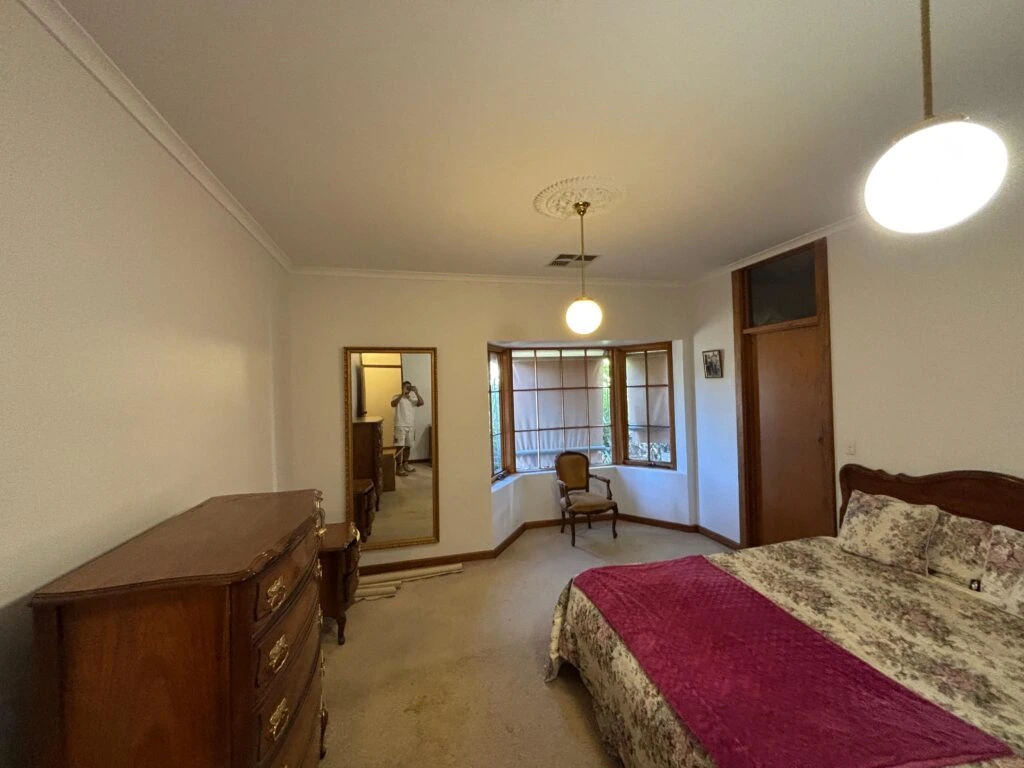
Home / How Often Should You Paint Your House? A Practical Guide for Adelaide Homeowners TABLE OF CONTENTS: Introduction How Often Should You Paint Your House? How Often Should You Repaint the Interior? How Often Should You Repaint the Exterior? Signs Your House Needs Repainting How Often Should Different Areas of a House Be Painted? Should You Repaint the Whole House or Just Certain Areas? Why Surface Preparation Matters Interior vs Exterior Repainting DIY Repainting vs Hiring a Professional How Much Does Repainting a House Cost in Adelaide? Professional House Repainting in Adelaide Frequently Asked Questions Introduction Knowing how often you should paint your house is not as simple as choosing a number from a calendar. Some Adelaide homes can go many years between full repaints, while other properties need attention sooner because of strong sunlight, weather exposure, high-traffic areas, moisture, surface condition or poor preparation from the previous paint job. For most homeowners, repainting is something they think about only when the walls start looking tired or the exterior begins to show obvious signs of wear. By that stage, however, the paint may already be failing in places that are less noticeable from a distance. A better approach is to treat house painting as part of regular property maintenance. As a general guide, interior walls may need repainting around every 5–7 years, while many Adelaide exterior paint systems may require attention around 7–10 years. These are starting points rather than fixed deadlines. The actual lifespan depends on the surface, previous preparation, paint system, exposure and how the property is used. This guide explains how often to repaint a house, what signs to look for, which areas usually need attention first and how Adelaide conditions can affect your repainting schedule. How Often Should You Paint Your House? There is no single repainting schedule that works for every home. As a practical starting point: Area Typical repainting guide Interior walls Around 5–7 years High-traffic interior areas Around 3–5 years, depending on wear Exterior walls Around 7–10 years Exterior timber and exposed trims Often sooner than main walls Doors and trims As needed, depending on wear Ceilings Usually when staining, discolouration or surface wear appears Feature walls Based mainly on colour preference and condition These timeframes should not be treated as guarantees. For example, an interior hallway in a busy family home may need repainting sooner than a spare bedroom. Likewise, an exterior wall receiving strong afternoon sun can deteriorate faster than a protected wall. The condition of the paint is therefore more important than the date on the calendar. Australian painting guidance also notes that exterior repainting depends on factors including climate, cladding and the quality of the previous paintwork. If your house has reached the usual repainting age but still looks sound, you may only need maintenance or targeted painting. If peeling, cracking or exposed surfaces appear earlier, waiting for a particular year can allow a small problem to become a larger repair. GET A PAINTING QUOTE How Often Should You Repaint the Interior? For many Adelaide homes, interior repainting every 5–7 years is a useful general guide. However, interior paint does not deteriorate in exactly the same way throughout a house. Living rooms, bedrooms and other lower-traffic spaces may stay presentable for years. Hallways, stairways, children’s rooms, kitchens and entry areas usually receive considerably more contact and can show wear sooner. You may need to repaint an interior room earlier if you notice: Scuff marks that cannot be cleaned Scratches and dents Faded or uneven colour Peeling or bubbling paint Water stains Persistent marks Cracks or damaged plaster Patchy areas from previous repairs A dated colour scheme Visible wear around doors and switches Interior painting is therefore partly about appearance and partly about maintaining the condition of the surfaces. High-traffic rooms may need more frequent attention A hallway can look tired long before a spare bedroom because people regularly brush against the walls, move furniture through the space and touch doors and corners. The same applies to family rooms and children’s bedrooms. Instead of repainting the entire house whenever one area becomes worn, homeowners can sometimes prioritise the rooms receiving the most use. That can make house painting maintenance more manageable and help spread the cost over time. How Often Should You Repaint the Exterior? Exterior paint generally needs more careful monitoring because it is exposed to the weather. For many Adelaide properties, a 7–10 year repainting cycle is a reasonable starting point for exterior walls, provided the previous coating was properly prepared and applied. Some surfaces can last longer, while exposed or poorly maintained surfaces may need attention earlier. The exterior of your home has to deal with: Ultraviolet radiation Heat Rain Wind Dust Temperature changes Moisture Seasonal weather conditions General environmental exposure Exterior paint is not simply decorative. It forms part of the protective coating over the underlying surface. Once paint begins to fail, the surface underneath can become increasingly exposed. Don’t wait for the entire exterior to fail One common mistake is assuming that the whole house needs to look bad before repainting is necessary. A western-facing wall may fade significantly before a sheltered wall. Timber around windows may deteriorate before rendered walls. Fascias, eaves and doors may require maintenance while the main exterior still looks reasonable. This is why regular inspections are useful. South Australian government guidance for older buildings recommends checking exterior paintwork at least every two years, particularly because paint can protect timber from moisture and deterioration. GET A PAINTING QUOTE Signs Your House Needs Repainting The calendar can tell you when to inspect your paintwork, but the paint itself tells you when attention may actually be needed. Look for these warning signs. Peeling or flaking paint Peeling paint is one of the clearest signs that a coating is failing. Do not simply paint over loose material. The failing paint generally needs to be removed and the underlying surface assessed and prepared first. Cracking Small surface cracks can have different causes. Some
How Much Does House Painting Cost in Adelaide? A Practical Guide for Homeowners
Home / How Much Does House Painting Cost in Adelaide? A Practical Guide for Homeowners TABLE OF CONTENTS: What Is the Average House Painting Cost in Adelaide? What Affects the Cost of House Painting? How Much Does Interior Painting Cost? How Much Does Exterior House Painting Cost? Does the Type of Paint Affect the Price? How Many Coats of Paint Do You Need? Why One Painting Quote Can Be Higher Than Another What About Painting Before Selling a Home? Why Preparation Shouldn’t Be the First Thing Cut from the Budget Choosing the Right Adelaide Painter Final Thoughts: What Should You Budget for House Painting in Adelaide? Frequently Asked Questions What Is the Average House Painting Cost in Adelaide? Painting costs in Australia can vary widely, so online figures should be treated as a starting point rather than a guaranteed price for your home. Current Australian cost guides put professional painting at different rates depending on whether you’re painting interior or exterior surfaces, the level of preparation required and the complexity of the job. For example, recent guides report interior painting figures ranging from roughly $15 to $45 per square metre, while exterior painting can range from approximately $15 to $60 per square metre depending on the property and surface. These figures are useful for understanding the general market, but they shouldn’t be used as a substitute for an individual quote. A painter needs to consider exactly what is being painted. A property with clean walls requiring minimal preparation may cost considerably less than one with peeling paint, cracks, damaged surfaces, difficult access or several old coats that need attention. That’s why a professional quote should be based on the actual property rather than simply the number of bedrooms. What Affects the Cost of House Painting? Several factors can change the final house painting cost in Adelaide. Understanding these before requesting a quote can help you know what you’re paying for. 1. Size of the Property The size of the home naturally affects the amount of painting required. More walls, ceilings, doors, trims and exterior surfaces mean more labour and materials. However, floor area alone doesn’t tell the whole story. Two homes with the same floor area may have very different painting requirements. One might have an open-plan layout with relatively simple walls, while another could have multiple rooms, detailed trims, high ceilings and numerous doors and windows. For this reason, painters generally need to look at the actual areas being painted before providing an accurate price. 2. Interior or Exterior Painting Interior painting and exterior painting involve different preparation and application requirements. Interior painting may include walls, ceilings, doors, skirting boards, architraves and other trim. The final cost can increase when there are multiple colours, detailed surfaces or extensive preparation. Exterior painting can involve additional challenges such as weather exposure, surface deterioration, height and access. Depending on the property, the exterior could include brick, rendered surfaces, timber, weatherboards, doors, fascia or other materials. Current Australian guides also show a significant difference between interior and exterior painting rates, reinforcing why the type of project needs to be considered when estimating the cost. 3. Surface Preparation Preparation is one of the areas that can have a major effect on painting costs. A wall that is already smooth, clean and in reasonable condition may require relatively little preparation. Another wall may need sanding, filling, scraping, cleaning or other repairs before paint can be applied. Common preparation work can include: Filling small holes and dents Sanding rough or uneven areas Removing loose or peeling paint Cleaning dirty surfaces Repairing minor cracks Preparing previously painted surfaces Priming areas where required Skipping necessary preparation might make a job appear cheaper initially, but it can affect the appearance and performance of the finished coating. At SA Prep and Paint Services, we place particular importance on preparation because the condition of the surface underneath the paint has a direct effect on the finished result. GET A PAINTING QUOTE How Much Does Interior Painting Cost? Interior painting projects in Adelaide can range from a single-room refresh to a complete house repaint. As a broad Australian guide, recent 2026 figures place interior painting at around $15–$45 per square metre, with the final price influenced by preparation, paint selection, number of colours, trim work and the size of the areas being painted. For example, painting a bedroom on its own is a very different project from repainting every wall, ceiling, door and trim throughout a large home. You may also want to paint only selected areas rather than the whole house. This can be useful when some rooms still look good, but others have become marked, faded or outdated. If you only need certain walls or areas refreshed, professional wall painting services in Adelaide can be a practical option. Before requesting a quote, consider exactly what you want included: Walls only Walls and ceilings Doors Skirting boards Architraves Window frames Feature walls Cupboards or selected surfaces Being clear about the scope helps painters prepare a more accurate quote. How Much Does Exterior House Painting Cost? Exterior house painting projects in Adelaide require careful consideration because outside surfaces are exposed to sun, rain, wind and changing temperatures. Australian cost guides indicate exterior painting can commonly fall somewhere around $15–$60 per square metre, although the actual rate can vary substantially according to the surface, preparation, access, paint system and complexity. An exterior project may involve much more than simply applying paint. Depending on the property, preparation can include cleaning, scraping loose coatings, sanding, filling damaged areas and priming selected surfaces. Access is another consideration. A single-storey home with straightforward access is generally simpler to work on than a two-storey property with difficult areas, steep sections or extensive height-related work. The type of exterior surface also matters. Brick, rendered walls, timber and weatherboard surfaces each have different characteristics and may require different preparation and coating systems. Does the Type of Paint Affect the Price? Yes. The type and quality of paint can affect
How Often Should You Paint Your House? A Practical Guide for Adelaide Homeowners

Home / How Often Should You Paint Your House? A Practical Guide for Adelaide Homeowners TABLE OF CONTENTS: How Often Should You Paint Your House? How Often Should You Repaint the Exterior? How Often Should You Repaint Interior Walls? A Practical House Repainting Guide What Determines How Often You Need to Paint? Type and Condition of the Surface Moisture and Ventilation Signs Your House Needs Repainting Interior vs Exterior Repainting DIY Repainting vs Hiring Professional Painters Painting Services From SA Prep and Paint Frequently Asked Questions How Often Should You Paint Your House? fresh coat of paint can make a home feel cleaner, brighter and better maintained. It can also help protect painted surfaces from normal wear and environmental exposure. But paint does not last forever, and eventually every homeowner has to decide whether it is time for another coat. So, how often should you paint your house? There is no single repainting schedule that applies to every Adelaide property. As a broad planning guide, exterior painted surfaces are often considered for repainting at around 7–10 years, while many interior walls may remain presentable for around 5–10 years. These figures should not be treated as deadlines. The actual condition of the surface is more important than simply counting the years since the last paint job. For example, an exterior wall exposed to strong sunlight may show fading sooner than a shaded wall. A busy hallway may become marked well before a rarely used bedroom. A bathroom with poor ventilation can develop moisture-related problems that require attention much earlier. This is why homeowners should consider both age and condition when deciding when to repaint. If you are already seeing peeling, cracking, bubbling, chalking, heavy marks or significant fading, it may be time to have the surface assessed. For homeowners planning a larger project, our residential painting services in Adelaide cover a range of interior and exterior painting requirements. How Often Should You Repaint the Exterior? Exterior painting generally requires more attention than interior painting because the coating is exposed to Adelaide’s outdoor conditions. Adelaide has a Mediterranean climate, with warm to hot, dry summers and wetter winters. This means exterior surfaces experience changing conditions throughout the year. Strong sunlight, heat, wind, dust and rain can gradually affect exterior coatings. A broad planning range of around 7–10 years can be useful, but some homes may need attention earlier and others may remain in good condition for longer. Exterior Areas Worth Checking Pay particular attention to: North-facing walls West-facing walls Window surrounds Exterior doors Eaves Fascias and trims Rendered walls Timber surfaces Areas beneath gutters Previously repaired sections Different parts of the same house can age at different rates. For example, a west-facing wall receiving strong afternoon sunlight may show more fading than a shaded wall. There is therefore no reason to assume every wall needs exactly the same maintenance schedule. Why Adelaide’s Conditions Matter Adelaide’s weather can vary significantly from season to season. According to theBureau of Meteorology’s Adelaide summer 2026 climate summary, Adelaide’s West Terrace station recorded a mean daily maximum temperature of 30.6°C during summer, which was 2.6°C above the long-term average. The highest temperature recorded there was 44.7°C on 26 January 2026. These conditions do not mean every Adelaide home needs to be repainted sooner. They demonstrate why sun exposure, heat and the individual position of a property’s exterior surfaces should be considered when assessing paint condition. How Often Should You Repaint Interior Walls? Interior walls are protected from Adelaide’s outdoor weather, but they still experience everyday wear. Many interior walls can remain presentable for around 5–10 years, although high-use rooms may need attention sooner. Bedrooms Bedrooms generally receive less wall contact than hallways, kitchens and family rooms. If the walls remain clean, the colour still looks good and the coating is sound, there may be no reason to repaint simply because several years have passed. Hallways Hallways are among the most heavily used areas of a home. Walls can collect: Handprints Scuff marks Furniture marks Dust Pet marks General wear A hallway may therefore need repainting earlier than a spare bedroom. Kitchens Kitchen walls can experience grease, steam, splashes and frequent cleaning. If the existing coating is becoming difficult to clean or has developed visible deterioration, repainting may be worth considering. Bathrooms Bathrooms require particular attention because of moisture and humidity. If you notice recurring bubbling, peeling, staining or mould, do not simply apply another coat of paint. The moisture source should be investigated first. Living Rooms Living rooms experience everyday household activity, including furniture movement, children, pets and cleaning. Repainting can be worthwhile when the surface becomes visibly worn or when you want to update the appearance of the room. Get Your Free Painting Quote A Practical House Repainting Guide Painted area General timeframe to consider Common reasons for earlier repainting Exterior walls Around 7–10 years Sun, weather, fading and peeling Interior walls Around 5–10 years Traffic, marks and cleaning Hallways Often sooner Frequent contact and scuffing Kitchens Condition dependent Grease, moisture and cleaning Bathrooms Condition dependent Humidity and moisture Bedrooms Often longer Lower traffic Doors and trims Varies Handling and impacts Ceilings Condition dependent Stains, moisture and discolouration These timeframes are general planning guides rather than guarantees. A property with sound preparation and suitable coatings may remain in good condition for longer, while exposed or poorly prepared surfaces may require attention sooner. What Determines How Often You Need to Paint? Several factors influence the practical lifespan of painted surfaces. Adelaide Sun and Weather Exposure Exterior paint is constantly exposed to environmental conditions. Sunlight can gradually affect colour and the appearance of the coating. Heat, wind and rain can also contribute to gradual deterioration. Adelaide’s long-term climate records show substantial seasonal differences in rainfall and temperature, with most rainfall occurring during the cooler months. The orientation of your house also matters. A wall receiving several hours of direct sunlight every day may age differently from a wall protected by trees, neighbouring buildings or other shade. Check