
Exterior painting requires suitable weather conditions to achieve a smooth, durable finish. Learn how temperature, humidity, rainfall, wind and sunlight...
How Weather Affects Exterior Painting in Adelaide
TABLE OF CONTENTS:
- How Often Should You Paint Your House?
- How Often Should You Repaint the Exterior?
- How Often Should You Repaint Interior Walls?
- A Practical House Repainting Guide
- What Determines How Often You Need to Paint?
- Type and Condition of the Surface
- Moisture and Ventilation
- Signs Your House Needs Repainting
- Interior vs Exterior Repainting
- DIY Repainting vs Hiring Professional Painters
- Painting Services From SA Prep and Paint
- Frequently Asked Questions
How Weather Affects Exterior Painting in Adelaide
Exterior painting is not simply a matter of choosing a colour, preparing the walls and applying paint. Weather conditions can have a major effect on how exterior paint is applied, dries and performs over time.
For Adelaide homeowners, this is particularly important because outdoor conditions can vary significantly throughout the year. Hot summer days, cooler winter temperatures, rainfall, humidity, wind and strong sunlight can all influence an exterior painting project.
Adelaide Airport climate records show average maximum temperatures of around 28°C in January and February, compared with around 15°C in July. Rainfall is also generally higher during the cooler months. Homeowners can refer to the Bureau of Meteorology climate statistics for Adelaide Airport.
That means there is no single rule saying that one season is always suitable for exterior painting. Instead, the actual conditions on the day, the condition of the surface and the manufacturer’s requirements for the selected paint system all need to be considered.
In this guide, we explain how weather affects exterior painting in Adelaide, what conditions painters look for, what can happen when paint is applied in unsuitable weather, and how homeowners can plan an exterior painting project more effectively.
Why Weather Matters for Exterior Painting
Exterior paint is exposed to the environment from the moment it is applied.
Unlike interior paint, exterior coatings have to deal with:
Sunlight
Heat
Rain
Moisture
Wind
Dust
Temperature changes
Humidity
Morning dew
Seasonal weather changes
The paint therefore needs suitable conditions while it is being applied and while it is drying and curing.
A wall may look completely dry after painting, but that does not necessarily mean the coating has finished curing. Temperature, humidity and moisture can influence the drying and curing process.
Haymes Paint’s product guidance explains that application conditions can affect drying and curing, while specific products may have their own temperature and environmental requirements.
This is one reason professional painters pay attention to more than just whether the day “looks sunny.”
A suitable painting day should consider:
Current temperature
Expected temperature later in the day
Overnight temperature
Rain forecast
Humidity
Wind
Direct sunlight
Surface temperature
Moisture on the surface
Product requirements
How Adelaide Weather Can Affect Exterior Paint
Adelaide has a Mediterranean climate with warm, relatively dry summers and cooler, wetter winters.
According to Bureau of Meteorology climate statistics, Adelaide Airport’s long-term mean maximum temperature is approximately 28.3°C in January and 15.0°C in July. Average rainfall is also considerably higher in the cooler months.
These seasonal differences can affect when exterior painting work can be completed comfortably and reliably.
Summer conditions
Summer can bring:
High temperatures
Strong sunlight
Hot wall surfaces
Rapid evaporation
Dry conditions
Windy periods
Very hot surfaces can make paint application more difficult.
Autumn conditions
Autumn can provide more moderate temperatures, although individual days can still vary.
Winter conditions
Winter generally brings:
Lower temperatures
More rainfall
Higher moisture exposure
Longer drying periods
Cooler overnight conditions
Spring conditions
Spring can provide moderate temperatures, but weather can still change quickly.
The important point is that season alone should not determine whether a particular exterior painting job goes ahead.
The actual conditions and the paint manufacturer’s specifications matter.
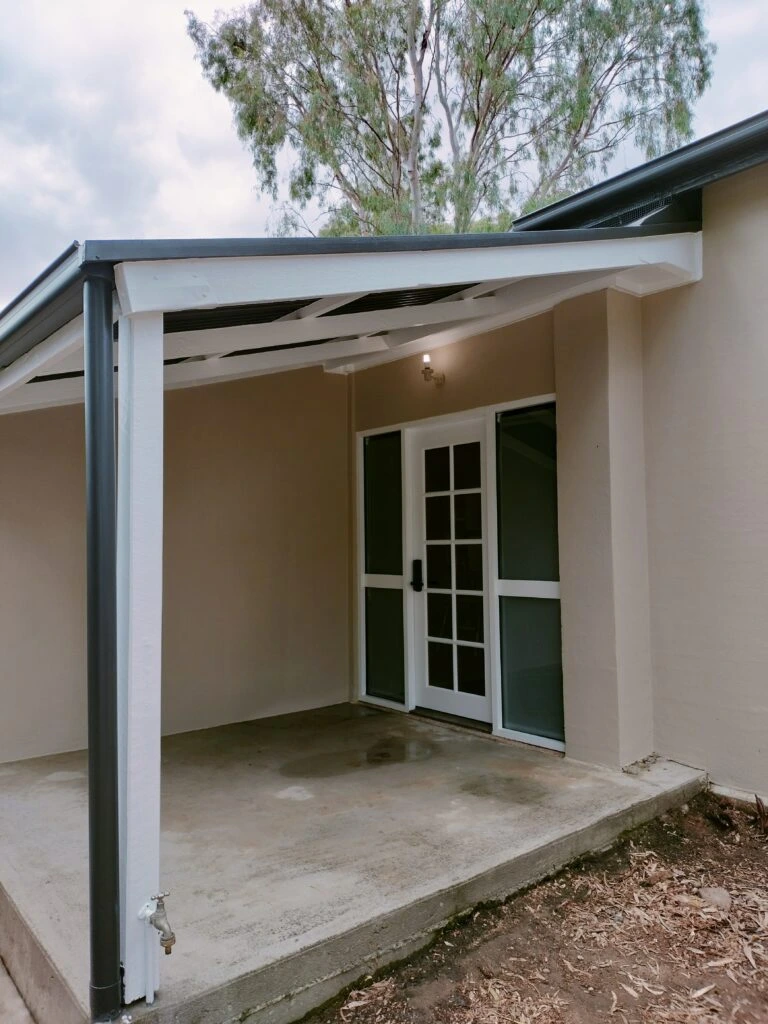
How Temperature Affects Exterior Painting
Temperature is one of the most important factors to consider before exterior painting.
Paint is a coating material that needs suitable conditions to form a consistent film on the surface.
If conditions are too hot, paint may dry too quickly.
If conditions are too cold, drying and curing may take longer.
For example, Haymes Paint advises that many of its systems should not be applied below 10°C or above 35°C, and that temperatures expected to fall below 10°C during the drying period can also be a concern.
However, these numbers should not be treated as a universal rule for every paint.
Different products have different application requirements.
Always check the technical data supplied for the selected paint.
Why extremely hot conditions can be difficult
When exterior surfaces become very hot, paint can dry rapidly during application.
This can make it harder to maintain a consistent finish.
Potential problems can include:
Uneven application
Brush or roller marks
Lap marks
Poor flow
Difficult touch-ups
Rapid skin formation
Reduced working time
The wall temperature can also be higher than the surrounding air temperature.
Haymes Paint specifically advises avoiding painting directly in hot sun because exterior surfaces can become significantly hotter than the surrounding air.
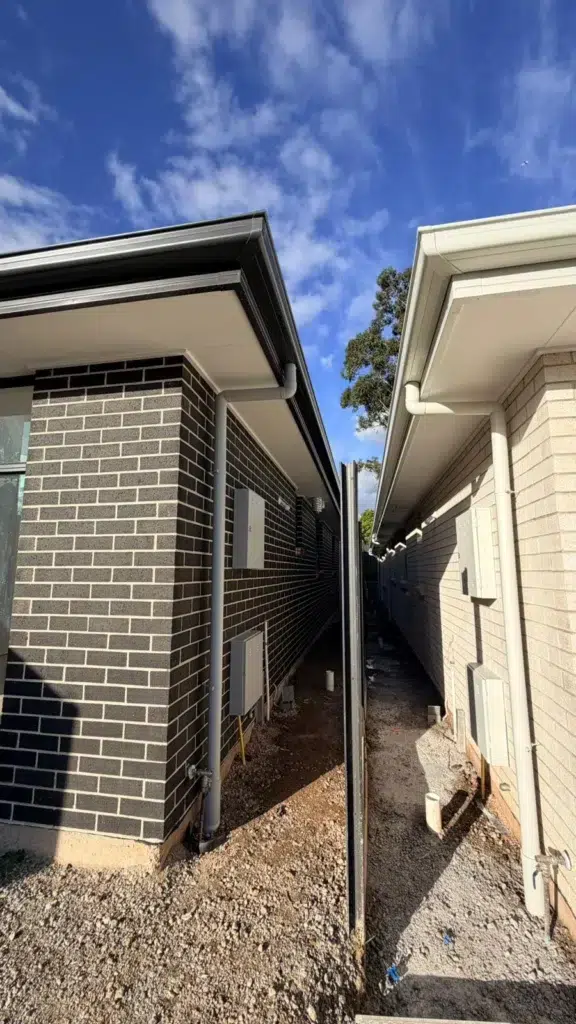
Can You Paint Outside in Hot Adelaide Weather?
Yes, exterior painting can sometimes be completed during warmer weather, but the conditions need to be suitable for the particular product and surface.
A professional painter may consider:
The air temperature
The surface temperature
The position of the sun
The direction the wall faces
Wind conditions
Humidity
Expected temperature later in the day
The manufacturer’s application instructions
North-facing and west-facing walls
Some exterior walls receive substantial direct sunlight.
These surfaces may become much hotter than shaded areas.
Painting a wall while it is receiving strong direct sunlight can therefore create different drying behaviour across the surface.
A practical approach may involve working on shaded surfaces at more suitable times rather than applying paint to extremely hot walls.
What about early morning?
Early morning can sometimes provide cooler conditions, but it is not automatically the best time.
Morning dew or surface moisture needs to evaporate before painting.
The surface must be suitably dry before coating.
How Cold Weather Affects Exterior Painting
Cold weather can slow the drying and curing process.
This becomes particularly important in Adelaide during winter when overnight temperatures can be considerably lower than summer temperatures.
Adelaide Airport’s long-term mean minimum temperature is around 7.1°C in July compared with around 16.2°C in January.
A painter therefore needs to think beyond the temperature at the exact moment the paint is applied.
For example:
A wall might be 14°C in the afternoon but become much colder overnight.
If the coating needs additional time to dry or cure, those overnight conditions can matter.
Haymes Paint recommends considering both daytime and overnight conditions when planning exterior work in cooler weather.
Problems caused by unsuitable cold conditions
Depending on the product and conditions, cold weather may contribute to:
Extended drying times
Delayed recoating
Moisture exposure during drying
Poor film formation
Longer project times
This is why a professional painter may postpone exterior work if the weather window is too short.
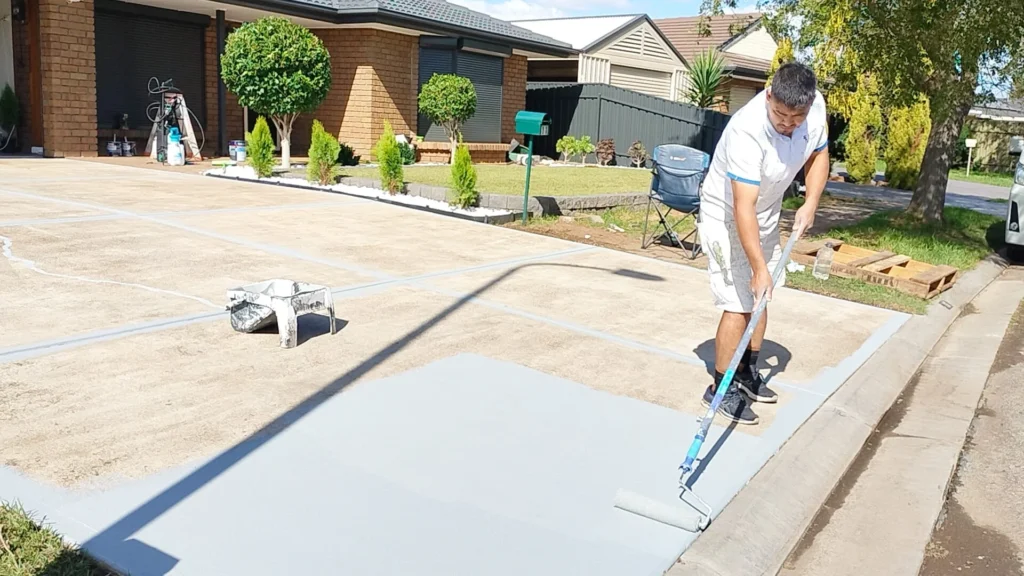
How Rain and Moisture Affect Exterior Painting
Rain is one of the clearest reasons to delay exterior painting.
Paint needs a suitable surface to adhere to.
If the wall is wet or becomes wet during the critical drying period, the coating may not perform as intended.
Rain can affect:
Freshly applied paint
Unsealed surfaces
Primer
Repaired areas
Caulked joints
Timber
Render
Masonry
Previously painted surfaces
Never assume a surface is dry because rain has stopped
After rainfall, exterior surfaces can retain moisture.
Porous materials can absorb water and take longer to dry.
This is especially important with:
Render
Brick
Concrete
Masonry
Timber
Previously damaged surfaces
The painter should assess whether the surface is genuinely ready for coating rather than simply waiting until visible water disappears.
How Humidity Affects Paint Drying
Humidity refers to the amount of moisture in the air.
High humidity can slow evaporation and extend drying times.
This is particularly relevant for exterior painting because painters cannot control the outdoor environment as easily as they can indoors.
Haymes Paint advises that very high humidity can make exterior painting less suitable and identifies humidity as an important factor when assessing conditions.
Why high humidity matters
High humidity may result in:
Slower drying
Longer recoating times
Increased moisture exposure
Delayed curing
Greater difficulty maintaining a predictable schedule
This does not mean every humid day is automatically unsuitable.
The product instructions and the complete weather conditions need to be considered together.
How Professional Painters Plan Around the Weather
Professional exterior painting involves more than arriving with paint and equipment.
Weather planning can be part of the project from the beginning.
Step 1: Check the forecast
The painter can review expected:
Temperature
Rain
Wind
Humidity
Overnight conditions
Step 2: Inspect the property
The surface itself needs to be assessed.
A wall can remain damp even when the weather looks suitable.
Step 3: Check the paint requirements
The technical information for the selected product should be followed.
There is no universal temperature or humidity rule that applies to every exterior coating.
Step 4: Plan the work sequence
Painters can decide which surfaces should be completed first based on:
Sun exposure
Shade
Surface condition
Access
Drying requirements
Step 5: Allow suitable drying time
A project should not be rushed simply to stay on schedule.
Step 6: Reassess changing conditions
Weather can change.
If conditions become unsuitable, the safest approach may be to stop or postpone the work.
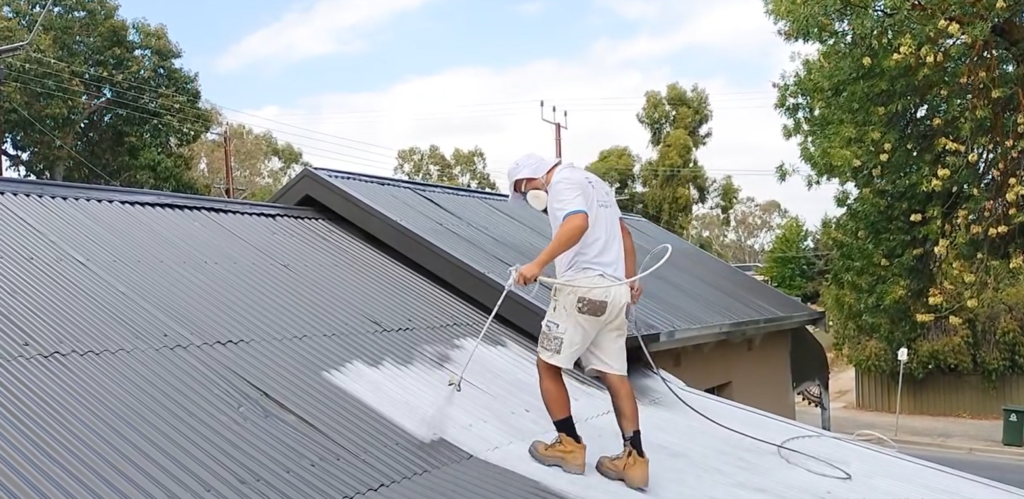
Recent Posts
How to Prepare Walls for Painting: An Adelaide Homeowner’s Guide
Learn how to prepare walls for painting in Adelaide with simple steps for cleaning, repairing, sanding and priming surfaces to...
How to Choose the Right Paint Finish for Every Room in Your Adelaide Home
Learn how to choose the right paint finish for every room in your Adelaide home, from living rooms and bedrooms...
Interior vs Exterior Paint: What Adelaide Homeowners Need to Know
Learn the key differences between interior and exterior paint, including durability, weather resistance, finishes and surface requirements. Discover how Adelaide...
+61 470 480 710
Contact and Whatsapp
saprepandpaintservices@outlook.com
contact us, we are available 24/7
Frequently Asked Questions
Can I paint my house exterior in summer in Adelaide?
Yes, exterior painting can be completed during summer when conditions are suitable. However, very high temperatures, direct sunlight and hot surface temperatures can make application more difficult. The manufacturer’s requirements should always be followed.
What temperature is best for exterior painting?
There is no single temperature that applies to every paint product. Some Australian paint systems specify application between approximately 10°C and 35°C, but homeowners should check the technical information for the exact product being used.
Can I paint exterior walls after rain?
It is generally important to wait until the surface is suitably dry and the weather provides an appropriate drying window. Porous surfaces may retain moisture even after visible rain has stopped.
DDoes humidity affect exterior painting?
Yes. High humidity can slow drying and may affect the time required between coats. The acceptable humidity range depends on the paint product.
Is winter a bad time to paint a house in Adelaide?
Not necessarily. Winter can present more challenges because of cooler temperatures, rainfall and longer drying times. A suitable period can still occur when conditions meet the paint manufacturer’s requirements.