
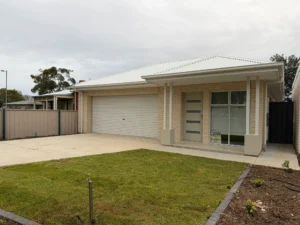
Exterior painting requires suitable weather conditions to achieve a smooth, durable finish. Learn how temperature, humidity, rainfall, wind and sunlight...
Home / House Painting / How Often Should You Paint Your House? A Practical Guide for Adelaide Homeowners
How Often Should You Paint Your House? A Practical Guide for Adelaide Homeowners
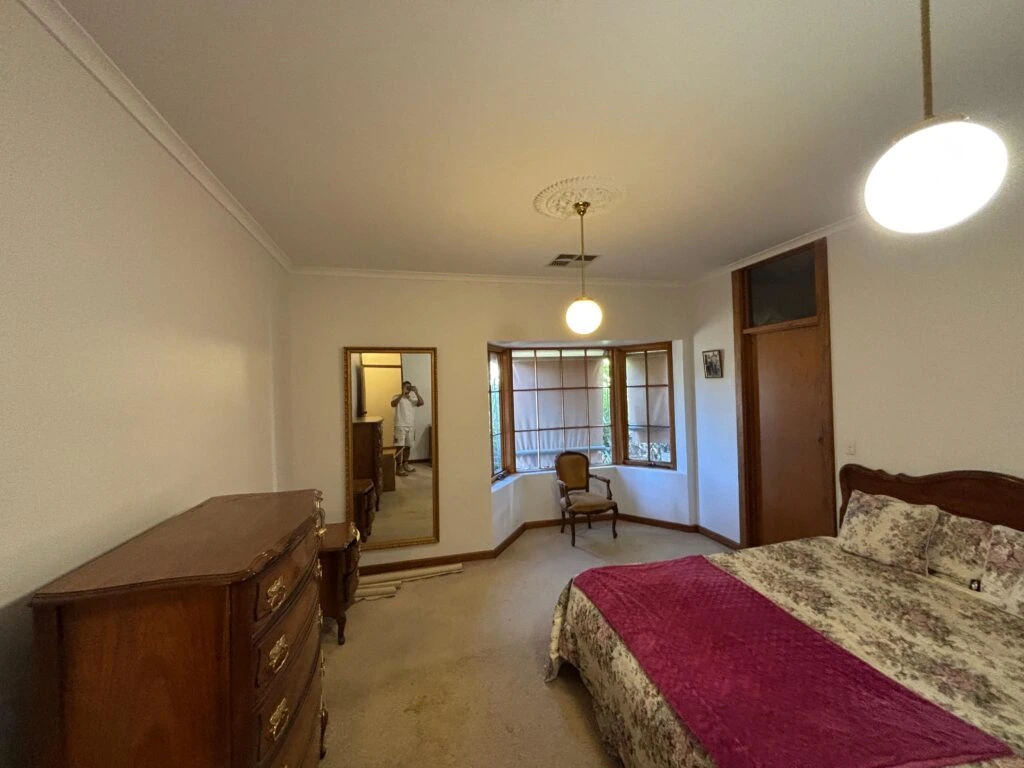
TABLE OF CONTENTS:
- Introduction
- How Often Should You Paint Your House?
- How Often Should You Repaint the Interior?
- How Often Should You Repaint the Exterior?
- Signs Your House Needs Repainting
- How Often Should Different Areas of a House Be Painted?
- Should You Repaint the Whole House or Just Certain Areas?
- Why Surface Preparation Matters
- Interior vs Exterior Repainting
- DIY Repainting vs Hiring a Professional
- How Much Does Repainting a House Cost in Adelaide?
- Professional House Repainting in Adelaide
- Frequently Asked Questions
Introduction
Knowing how often you should paint your house is not as simple as choosing a number from a calendar.
Some Adelaide homes can go many years between full repaints, while other properties need attention sooner because of strong sunlight, weather exposure, high-traffic areas, moisture, surface condition or poor preparation from the previous paint job.
For most homeowners, repainting is something they think about only when the walls start looking tired or the exterior begins to show obvious signs of wear. By that stage, however, the paint may already be failing in places that are less noticeable from a distance.
A better approach is to treat house painting as part of regular property maintenance.
As a general guide, interior walls may need repainting around every 5–7 years, while many Adelaide exterior paint systems may require attention around 7–10 years. These are starting points rather than fixed deadlines. The actual lifespan depends on the surface, previous preparation, paint system, exposure and how the property is used.
This guide explains how often to repaint a house, what signs to look for, which areas usually need attention first and how Adelaide conditions can affect your repainting schedule.
How Often Should You Paint Your House?
There is no single repainting schedule that works for every home.
As a practical starting point:
| Area | Typical repainting guide |
|---|---|
| Interior walls | Around 5–7 years |
| High-traffic interior areas | Around 3–5 years, depending on wear |
| Exterior walls | Around 7–10 years |
| Exterior timber and exposed trims | Often sooner than main walls |
| Doors and trims | As needed, depending on wear |
| Ceilings | Usually when staining, discolouration or surface wear appears |
| Feature walls | Based mainly on colour preference and condition |
These timeframes should not be treated as guarantees.
For example, an interior hallway in a busy family home may need repainting sooner than a spare bedroom. Likewise, an exterior wall receiving strong afternoon sun can deteriorate faster than a protected wall.
The condition of the paint is therefore more important than the date on the calendar.
Australian painting guidance also notes that exterior repainting depends on factors including climate, cladding and the quality of the previous paintwork.
If your house has reached the usual repainting age but still looks sound, you may only need maintenance or targeted painting. If peeling, cracking or exposed surfaces appear earlier, waiting for a particular year can allow a small problem to become a larger repair.
How Often Should You Repaint the Interior?
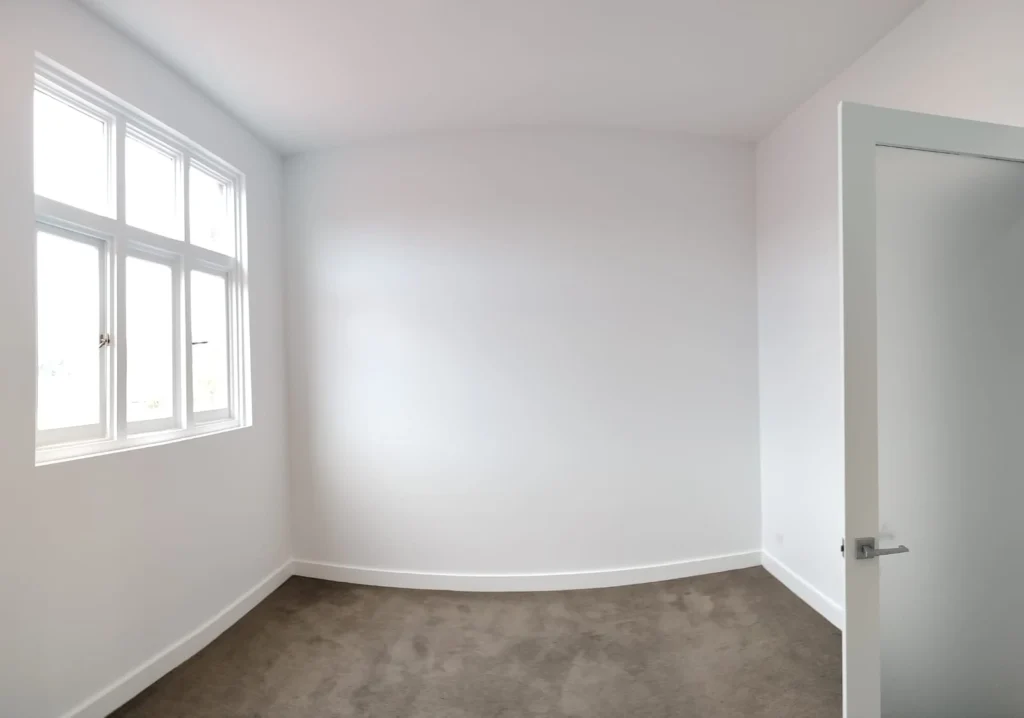
For many Adelaide homes, interior repainting every 5–7 years is a useful general guide.
However, interior paint does not deteriorate in exactly the same way throughout a house.
Living rooms, bedrooms and other lower-traffic spaces may stay presentable for years. Hallways, stairways, children’s rooms, kitchens and entry areas usually receive considerably more contact and can show wear sooner.
You may need to repaint an interior room earlier if you notice:
- Scuff marks that cannot be cleaned
- Scratches and dents
- Faded or uneven colour
- Peeling or bubbling paint
- Water stains
- Persistent marks
- Cracks or damaged plaster
- Patchy areas from previous repairs
- A dated colour scheme
- Visible wear around doors and switches
Interior painting is therefore partly about appearance and partly about maintaining the condition of the surfaces.
High-traffic rooms may need more frequent attention
A hallway can look tired long before a spare bedroom because people regularly brush against the walls, move furniture through the space and touch doors and corners.
The same applies to family rooms and children’s bedrooms.
Instead of repainting the entire house whenever one area becomes worn, homeowners can sometimes prioritise the rooms receiving the most use.
That can make house painting maintenance more manageable and help spread the cost over time.
How Often Should You Repaint the Exterior?
Exterior paint generally needs more careful monitoring because it is exposed to the weather.
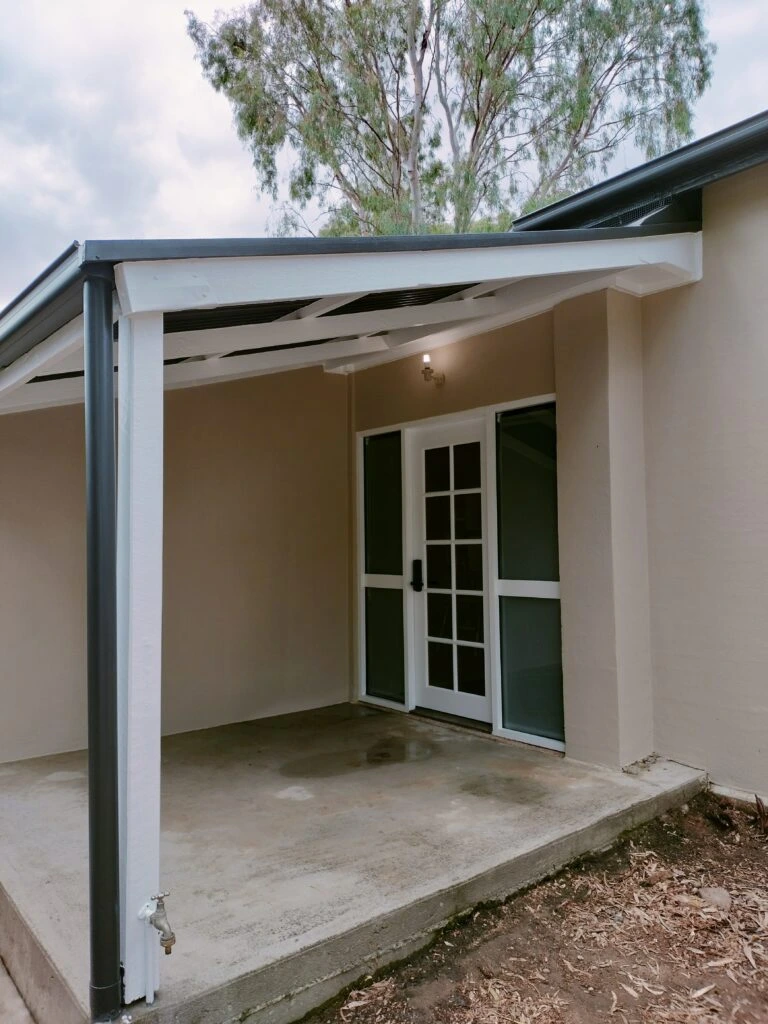
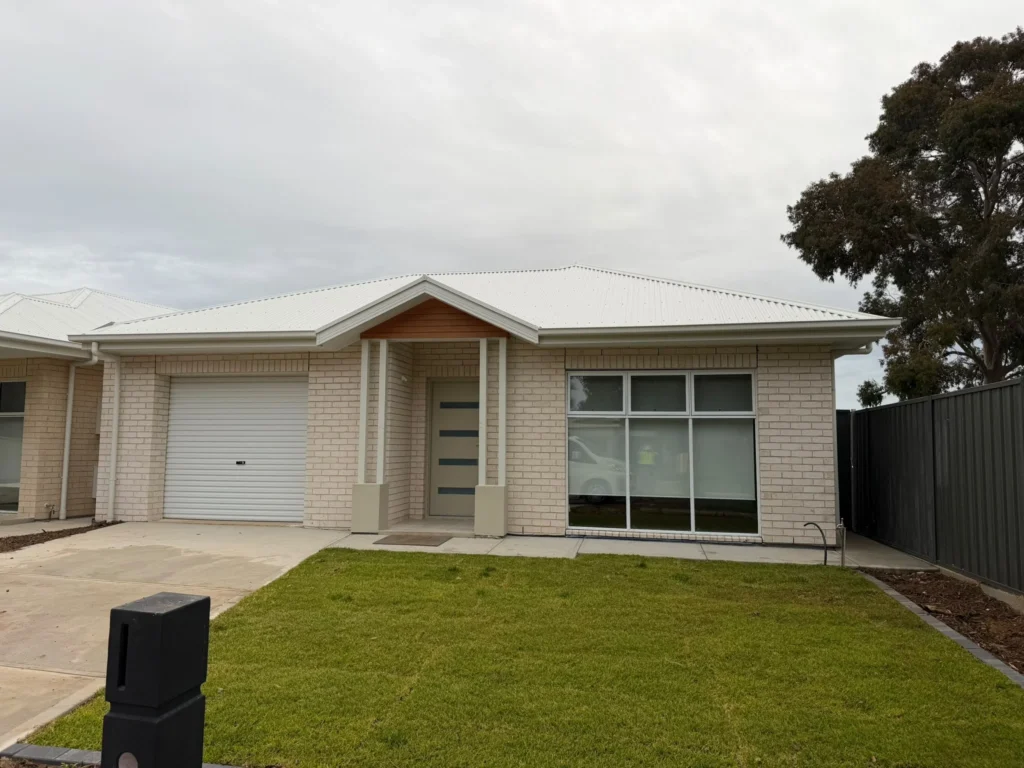
For many Adelaide properties, a 7–10 year repainting cycle is a reasonable starting point for exterior walls, provided the previous coating was properly prepared and applied.
Some surfaces can last longer, while exposed or poorly maintained surfaces may need attention earlier.
The exterior of your home has to deal with:
- Ultraviolet radiation
- Heat
- Rain
- Wind
- Dust
- Temperature changes
- Moisture
- Seasonal weather conditions
- General environmental exposure
Exterior paint is not simply decorative. It forms part of the protective coating over the underlying surface.
Once paint begins to fail, the surface underneath can become increasingly exposed.
Don’t wait for the entire exterior to fail
One common mistake is assuming that the whole house needs to look bad before repainting is necessary.
A western-facing wall may fade significantly before a sheltered wall. Timber around windows may deteriorate before rendered walls. Fascias, eaves and doors may require maintenance while the main exterior still looks reasonable.
This is why regular inspections are useful.
South Australian government guidance for older buildings recommends checking exterior paintwork at least every two years, particularly because paint can protect timber from moisture and deterioration.
Signs Your House Needs Repainting
The calendar can tell you when to inspect your paintwork, but the paint itself tells you when attention may actually be needed.
Look for these warning signs.
Peeling or flaking paint
Peeling paint is one of the clearest signs that a coating is failing.
Do not simply paint over loose material. The failing paint generally needs to be removed and the underlying surface assessed and prepared first.
Cracking
Small surface cracks can have different causes.
Some may be related to the coating, while others can indicate movement or problems with the underlying surface.
If cracking is extensive or repeatedly returns, investigate the cause before repainting.
Fading
Faded colour is often particularly noticeable on exterior walls exposed to sunlight.
Significant fading can make a house look older even when the paint is otherwise intact.
Chalky surfaces
If an exterior coating feels powdery or leaves residue when touched, the paint may be weathering.
This should be assessed before recoating.
Bubbling or blistering
Bubbles can indicate adhesion or moisture-related problems.
Painting over them without addressing the cause can lead to another premature failure.
Water stains
Interior water stains should not automatically be treated as a painting problem.
First determine where the moisture is coming from.
A fresh coat may hide the stain temporarily, but it will not fix a leaking roof, plumbing problem or moisture ingress.
Exposed timber
If exterior timber has become exposed because the coating has deteriorated, it should receive prompt attention.
Paint helps protect timber from environmental exposure, so delaying maintenance can increase the amount of preparation required later.
How Often Should Different Areas of a House Be Painted?
Not every painted surface in a house follows the same schedule.
Living rooms
A living room may remain presentable for many years if it receives moderate use and the walls are cleaned carefully.
Repainting may be needed when marks become difficult to remove, colours fade or the homeowner wants to update the room.
Bedrooms
Bedrooms often have relatively low wall traffic.
A bedroom may therefore go longer between full repaints than a hallway or living area.
Children’s bedrooms can be an exception because of greater wear.
Hallways
Hallways are among the first interior areas to show everyday wear.
Corners, doorways and lower wall sections can become marked from regular movement.
Kitchens
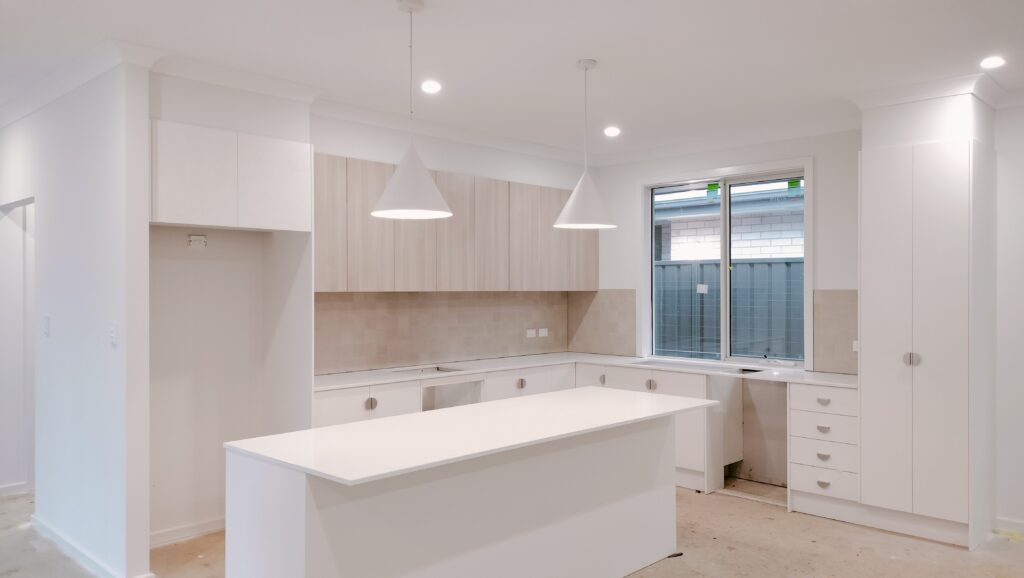
Kitchen walls experience cooking vapours, grease, cleaning and everyday activity.
The appropriate paint finish and preparation become particularly important.
Bathrooms and laundries
Moisture is a major consideration.
If paint is peeling or mould is appearing, investigate ventilation and moisture sources rather than simply adding another coat.
Ceilings
Ceilings often remain painted for longer than walls.
However, stains, discolouration, cracking or water damage may mean they need attention earlier.
Doors, frames and trims
Doors and trims receive frequent contact and can become chipped or marked before the main walls need repainting.
Exterior timber
Exterior timber can require maintenance earlier than large masonry or rendered walls, particularly when it is exposed to weather.
Should You Repaint the Whole House or Just Certain Areas?
A full repaint is not always necessary.
If your living room looks excellent but the hallway and entry are heavily marked, repainting those areas may be a sensible maintenance decision.
Similarly, if the exterior walls remain in good condition but the front door, window trims and fascia require attention, targeted work may be enough.
A full house repaint may make more sense when:
- Multiple rooms look worn
- Colours are inconsistent
- Several surfaces are damaged
- You are changing the overall colour scheme
- The property is being prepared for sale
- The existing coating is reaching the end of its useful life
- You want a consistent finish throughout the property
The right decision depends on the condition of the home rather than simply its age.
Why Surface Preparation Matters
Good preparation is often the part of painting that homeowners notice least—but it can have a major effect on the finished result.
Imagine two walls.
The first wall has been cleaned, sanded, patched and primed where necessary before painting.
The second wall has visible cracks, dust and loose paint, but a new coat is applied directly over it.
Both may look fresh immediately after painting.
The difference can become obvious later.
Preparation can involve:
- Inspecting the surface
- Cleaning it
- Removing loose or failing paint
- Sanding where required
- Filling holes and imperfections
- Repairing suitable minor surface defects
- Priming areas that require primer
- Preparing difficult or glossy surfaces
- Protecting surrounding areas
- Applying the appropriate coating system
Dulux’s painting guidance also emphasises the importance of working with clean, sound and properly prepared surfaces.
This is why repainting should not be viewed simply as putting a new colour on the wall.
Interior vs Exterior Repainting: What's the Difference?
Interior and exterior repainting have different maintenance requirements.
Interior repainting
Interior paint is primarily affected by:
- Scuffs
- Cleaning
- Furniture
- Children and pets
- Cooking
- Moisture
- General wear
- Changing colour preferences
Interior repainting is often driven by appearance and usability.
Exterior repainting
Exterior paint has a more protective role and is exposed to:
- Sunlight
- Rain
- Wind
- Heat
- Temperature changes
- Moisture
- Environmental contaminants
Exterior deterioration should therefore be monitored more carefully.
The same repainting interval should not automatically be applied to both inside and outside of a home.
DIY Repainting vs Hiring a Professional
Whether you should repaint yourself or hire a professional depends on the project.
DIY painting can make sense when:
- You are painting one small room
- The walls are already in good condition
- Minimal preparation is required
- You have suitable equipment
- You have enough time
- You are comfortable achieving a clean finish
Professional painting may be more suitable when:
- The entire house needs repainting
- Extensive preparation is required
- There is peeling or damaged paint
- Ceilings and trims are included
- Exterior surfaces are involved
- Working at height is required
- You have a tight deadline
- You want consistent results across multiple rooms
- You are preparing the property for sale
DIY may appear cheaper because you are not paying for labour, but the actual cost also includes equipment, materials, preparation time and your own time.
A professional quote can help you compare the real cost before making a decision.
How Much Does Repainting a House Cost in Adelaide?
Recent Posts
How to Prepare Walls for Painting: An Adelaide Homeowner’s Guide
Learn how to prepare walls for painting in Adelaide with simple steps for cleaning, repairing, sanding and priming surfaces to...
How to Choose the Right Paint Finish for Every Room in Your Adelaide Home
Learn how to choose the right paint finish for every room in your Adelaide home, from living rooms and bedrooms...
Interior vs Exterior Paint: What Adelaide Homeowners Need to Know
Learn the key differences between interior and exterior paint, including durability, weather resistance, finishes and surface requirements. Discover how Adelaide...
The cost of repainting a house varies considerably.
There is no reliable single price that applies to every Adelaide property because the scope of work can be very different from one house to another.
Factors include:
- Number of rooms
- House size
- Interior or exterior painting
- Number of surfaces
- Wall condition
- Amount of preparation
- Ceiling painting
- Doors and trims
- Height and access
- Number of coats
- Paint system
- Repairs required
- Furniture and protection requirements
- Accessibility of exterior areas
For example, painting the walls of one small bedroom is very different from preparing and repainting the interior of an entire three-bedroom home.
Likewise, a straightforward exterior repaint is different from a property with peeling coatings, difficult access and extensive timber preparation.
When comparing quotes, look beyond the headline price.
A useful quote should make it reasonably clear what areas are included, what preparation is expected, what paint system will be used and whether additional repairs may affect the final cost.
Current Adelaide painting cost guides also show substantial variation depending on project size, preparation and scope, which is why a property-specific assessment is more useful than relying on one generic figure.
Professional House Repainting in Adelaide
If your home is due for repainting, SA Prep and Paint can help you assess the work and plan the right approach.
Based in Paralowie, SA Prep and Paint Services Pty Ltd provides residential painting services across Adelaide, including interior painting, exterior painting, wall painting, roof painting, feature walls and complete home repainting.
The focus should not simply be on getting paint onto the surface. A successful repaint starts with understanding the existing condition of the property, identifying preparation requirements and selecting an appropriate painting system.
For homeowners who are unsure whether they need a complete repaint or only selected areas, a professional assessment can help clarify the options.
Ready to find out whether your Adelaide home is due for a repaint?
You can also explore our
Residential Painting Services in South Australia
and
Professional Interior Painting Services in Paralowie
to see how we can help with your next project.
+61 470 480 710
Contact and Whatsapp
saprepandpaintservices@outlook.com
contact us, we are available 24/7
Frequently Asked Questions
How often should you paint your house?
As a general guide, many homes need interior repainting around every 5–7 years and exterior repainting around every 7–10 years. However, actual repainting frequency depends on surface condition, paint quality, preparation, sunlight, weather exposure and how the home is used.
How often should you repaint the exterior of a house?
Many Adelaide homes may need exterior repainting around every 7–10 years, but some surfaces may require attention sooner or later. Peeling, cracking, fading, chalking and exposed surfaces are more useful indicators than the calendar alone.
How often should you repaint interior walls?
Interior walls commonly need repainting around every 5–7 years under normal conditions. High-traffic areas such as hallways, children’s rooms and busy living spaces may need repainting sooner.
What are the signs that a house needs repainting?
Common signs include peeling, flaking, cracking, bubbling, fading, chalking, stains, exposed timber and a generally worn appearance. Moisture-related problems should be investigated before repainting.
Does exterior paint last longer than interior paint?
Exterior and interior paint have different jobs and are exposed to different conditions. Exterior paint must withstand sunlight, rain, temperature changes and other environmental exposure, while interior paint is more affected by everyday wear and cleaning.
Can I wait until the paint starts peeling before repainting?
It is better not to use peeling as your only trigger for repainting. Peeling can indicate that the coating has already failed. Regular inspections can help identify fading, chalking, cracking and other deterioration earlier.
Is it better to repaint the whole house at once?
Not always. If only a few rooms or exterior areas are worn, targeted painting may make more sense. A whole-house repaint can be worthwhile when multiple areas are deteriorating, colours are inconsistent or you want a complete refresh.