Exterior painting requires suitable weather conditions to achieve a smooth, durable finish. Learn how temperature, humidity, rainfall, wind and sunlight...
Home / House Painting / How Often Should You Paint Your House? A Practical Guide for Adelaide Homeowners
How Often Should You Paint Your House? A Practical Guide for Adelaide Homeowners
TABLE OF CONTENTS:
- How Often Should You Paint Your House?
- How Often Should You Repaint the Exterior?
- How Often Should You Repaint Interior Walls?
- A Practical House Repainting Guide
- What Determines How Often You Need to Paint?
- Type and Condition of the Surface
- Moisture and Ventilation
- Signs Your House Needs Repainting
- Interior vs Exterior Repainting
- DIY Repainting vs Hiring Professional Painters
- Painting Services From SA Prep and Paint
- Frequently Asked Questions
How Often Should You Paint Your House?
fresh coat of paint can make a home feel cleaner, brighter and better maintained. It can also help protect painted surfaces from normal wear and environmental exposure. But paint does not last forever, and eventually every homeowner has to decide whether it is time for another coat.
So, how often should you paint your house?
There is no single repainting schedule that applies to every Adelaide property.
As a broad planning guide, exterior painted surfaces are often considered for repainting at around 7–10 years, while many interior walls may remain presentable for around 5–10 years. These figures should not be treated as deadlines. The actual condition of the surface is more important than simply counting the years since the last paint job.
For example, an exterior wall exposed to strong sunlight may show fading sooner than a shaded wall. A busy hallway may become marked well before a rarely used bedroom. A bathroom with poor ventilation can develop moisture-related problems that require attention much earlier.
This is why homeowners should consider both age and condition when deciding when to repaint.
If you are already seeing peeling, cracking, bubbling, chalking, heavy marks or significant fading, it may be time to have the surface assessed.
For homeowners planning a larger project, our residential painting services in Adelaide cover a range of interior and exterior painting requirements.
How Often Should You Repaint the Exterior?
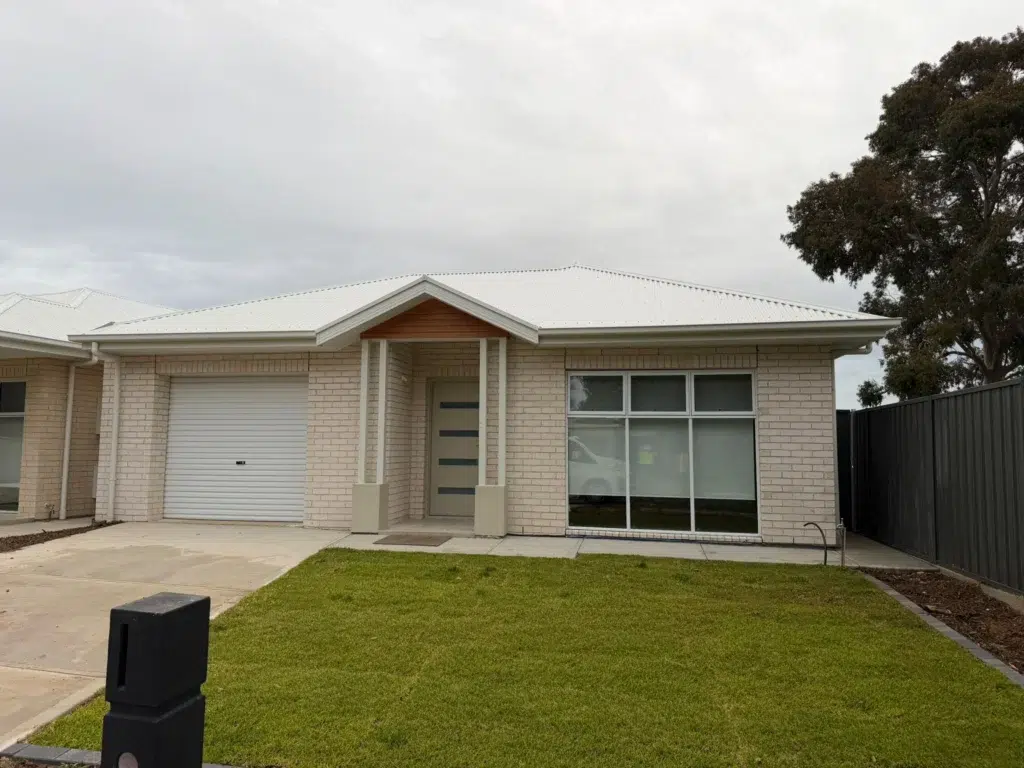
Exterior painting generally requires more attention than interior painting because the coating is exposed to Adelaide’s outdoor conditions.
Adelaide has a Mediterranean climate, with warm to hot, dry summers and wetter winters. This means exterior surfaces experience changing conditions throughout the year.
Strong sunlight, heat, wind, dust and rain can gradually affect exterior coatings.
A broad planning range of around 7–10 years can be useful, but some homes may need attention earlier and others may remain in good condition for longer.
Exterior Areas Worth Checking
Pay particular attention to:
- North-facing walls
- West-facing walls
- Window surrounds
- Exterior doors
- Eaves
- Fascias and trims
- Rendered walls
- Timber surfaces
- Areas beneath gutters
- Previously repaired sections
Different parts of the same house can age at different rates.
For example, a west-facing wall receiving strong afternoon sunlight may show more fading than a shaded wall. There is therefore no reason to assume every wall needs exactly the same maintenance schedule.
Why Adelaide’s Conditions Matter
Adelaide’s weather can vary significantly from season to season. According to the
Bureau of Meteorology’s Adelaide summer 2026 climate summary, Adelaide’s West Terrace station recorded a mean daily maximum temperature of 30.6°C during summer, which was 2.6°C above the long-term average. The highest temperature recorded there was 44.7°C on 26 January 2026.
These conditions do not mean every Adelaide home needs to be repainted sooner. They demonstrate why sun exposure, heat and the individual position of a property’s exterior surfaces should be considered when assessing paint condition.
How Often Should You Repaint Interior Walls?
Interior walls are protected from Adelaide’s outdoor weather, but they still experience everyday wear.
Many interior walls can remain presentable for around 5–10 years, although high-use rooms may need attention sooner.
Bedrooms
Bedrooms generally receive less wall contact than hallways, kitchens and family rooms.
If the walls remain clean, the colour still looks good and the coating is sound, there may be no reason to repaint simply because several years have passed.
Hallways
Hallways are among the most heavily used areas of a home.
Walls can collect:
- Handprints
- Scuff marks
- Furniture marks
- Dust
- Pet marks
- General wear
A hallway may therefore need repainting earlier than a spare bedroom.
Kitchens
Kitchen walls can experience grease, steam, splashes and frequent cleaning.
If the existing coating is becoming difficult to clean or has developed visible deterioration, repainting may be worth considering.
Bathrooms
Bathrooms require particular attention because of moisture and humidity.
If you notice recurring bubbling, peeling, staining or mould, do not simply apply another coat of paint. The moisture source should be investigated first.
Living Rooms
Living rooms experience everyday household activity, including furniture movement, children, pets and cleaning.
Repainting can be worthwhile when the surface becomes visibly worn or when you want to update the appearance of the room.
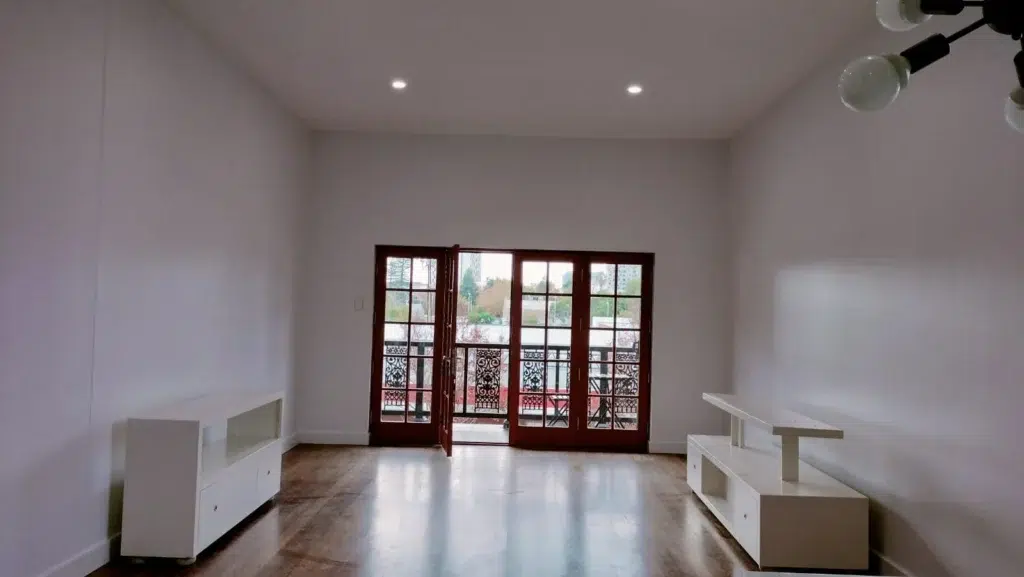
A Practical House Repainting Guide
| Painted area | General timeframe to consider | Common reasons for earlier repainting |
|---|---|---|
| Exterior walls | Around 7–10 years | Sun, weather, fading and peeling |
| Interior walls | Around 5–10 years | Traffic, marks and cleaning |
| Hallways | Often sooner | Frequent contact and scuffing |
| Kitchens | Condition dependent | Grease, moisture and cleaning |
| Bathrooms | Condition dependent | Humidity and moisture |
| Bedrooms | Often longer | Lower traffic |
| Doors and trims | Varies | Handling and impacts |
| Ceilings | Condition dependent | Stains, moisture and discolouration |
These timeframes are general planning guides rather than guarantees.
A property with sound preparation and suitable coatings may remain in good condition for longer, while exposed or poorly prepared surfaces may require attention sooner.
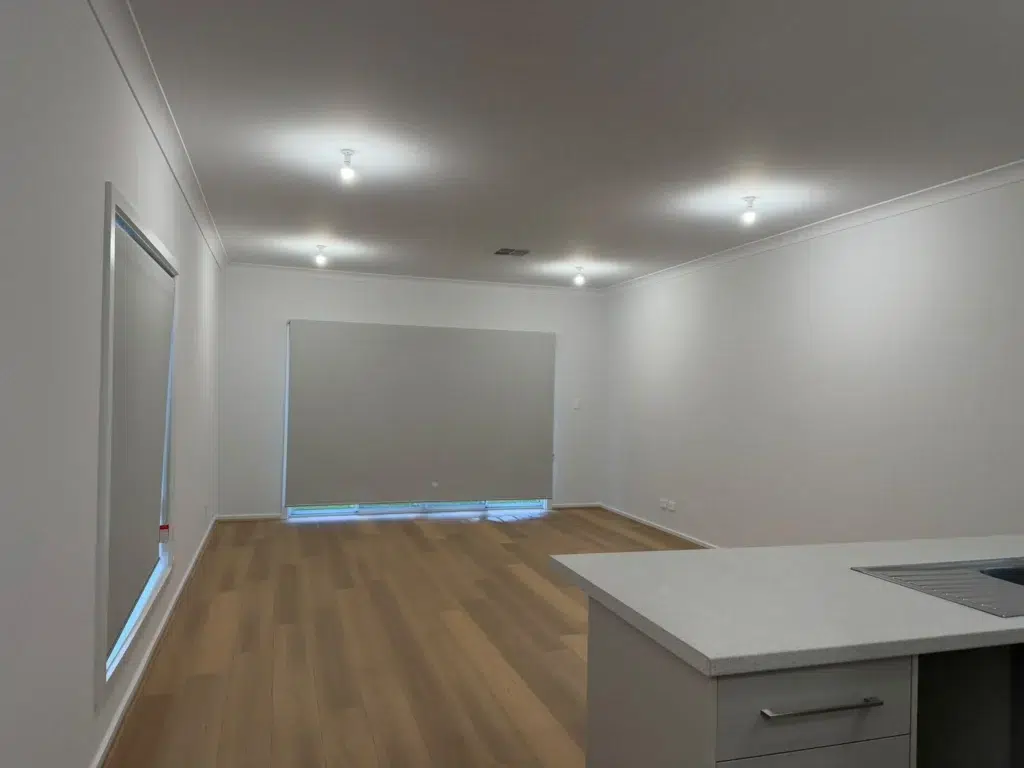
What Determines How Often You Need to Paint?
Several factors influence the practical lifespan of painted surfaces.
Adelaide Sun and Weather Exposure
Exterior paint is constantly exposed to environmental conditions.
Sunlight can gradually affect colour and the appearance of the coating. Heat, wind and rain can also contribute to gradual deterioration.
Adelaide’s long-term climate records show substantial seasonal differences in rainfall and temperature, with most rainfall occurring during the cooler months.
The orientation of your house also matters.
A wall receiving several hours of direct sunlight every day may age differently from a wall protected by trees, neighbouring buildings or other shade.
Check exposed areas regularly
Look for:
- Fading
- Chalking
- Peeling
- Flaking
- Cracking
- Staining
- Uneven colour
If deterioration is concentrated on particular walls, you may not necessarily need to repaint every surface immediately.
Surface Preparation
Preparation is one of the most important parts of a successful repaint.
A new coat cannot reliably solve an unstable surface underneath it.
Before painting, surfaces may need to be:
- Inspected
- Cleaned
- Scraped
- Sanded
- Filled
- Repaired
- Primed
- Sealed where appropriate
- Painted
For example, if loose paint remains underneath a new coating, the new finish can eventually fail along with the unstable layer underneath it.
The same principle applies to cracks, moisture damage, grease and contaminated surfaces.
This is why professional painting is about much more than choosing a colour and applying paint.
If your walls require substantial preparation, our professional wall painting services in Adelaide can be considered as part of the overall project.
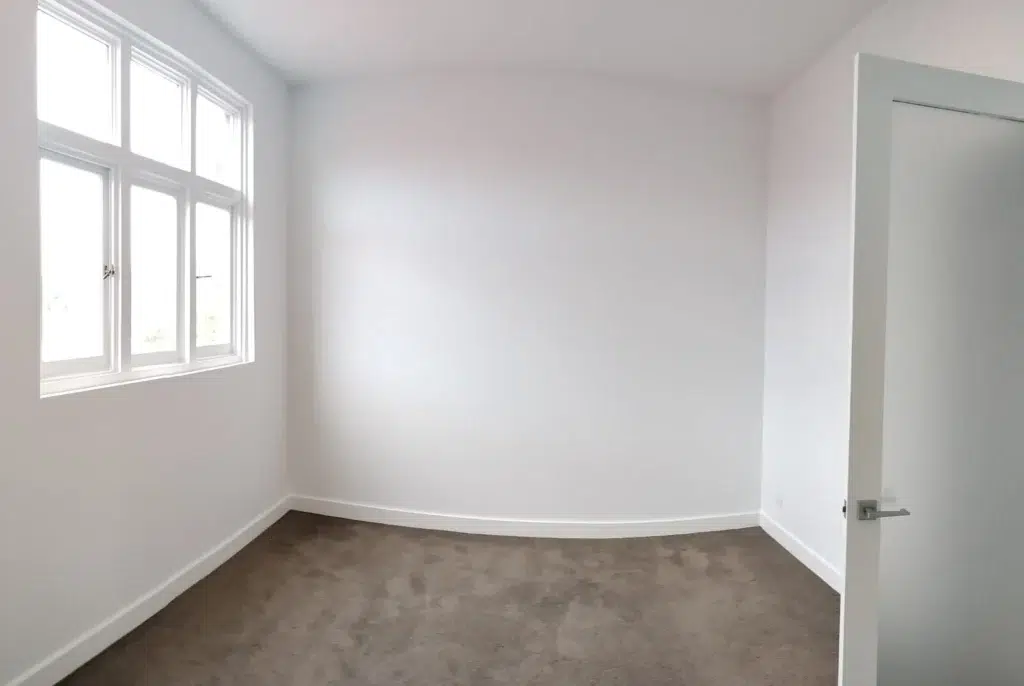
Type and Condition of the Surface
Different materials can require different preparation and coating approaches.
Common surfaces include:
- Plasterboard
- Render
- Brick
- Timber
- Metal
- Previously painted surfaces
- Repaired areas
A surface that has been patched repeatedly may require additional preparation before it can achieve a consistent appearance.
Likewise, rendered walls with cracks or previous coating problems should be assessed before another coating is applied.
The goal should not simply be to cover the existing finish. The goal is to create a stable, properly prepared surface for the new coating.
Paint Quality and Application
Paint selection matters, but it is only one part of the finished result.
The product should be suitable for the surface and environment.
Application also matters.
Poor coverage, inadequate preparation, unsuitable conditions or incorrect coating selection can all affect how a painted surface performs.
A professional painting project should therefore consider the complete system:
- Surface
- Preparation
- Repairs
- Primer where required Coating
- Application
- Finishing
This approach can help avoid the common mistake of treating painting as nothing more than applying a fresh layer over an old one.
Signs Your House Needs Repainting
Your house does not have to look severely damaged before repainting becomes worthwhile.
Fading or uneven colour
If exterior paint has become noticeably faded, especially on exposed walls, the coating may be approaching the point where maintenance is required.
Peeling or flaking
Paint lifting from the surface needs proper preparation before a new coating is applied.
Simply brushing another coat over loose paint is unlikely to provide a durable solution.
Cracking
Cracks can have different causes.
Small cosmetic cracks and more significant movement-related cracks should not automatically be treated in the same way.
If cracking is widespread or recurring, it is worth having the surface assessed before repainting.
Bubbling or blistering
Bubbles beneath the coating can indicate adhesion or moisture-related problems.
Identify the cause before repainting.
Chalking
A powdery residue on an exterior surface can indicate deterioration of the coating.
Staining
Persistent stains can sometimes be associated with water penetration, leaks or other underlying problems.
Heavy scuffing
Interior walls may become difficult to restore through cleaning alone.
If the coating is sound but the finish is heavily marked, repainting may provide a cleaner and more consistent appearance.
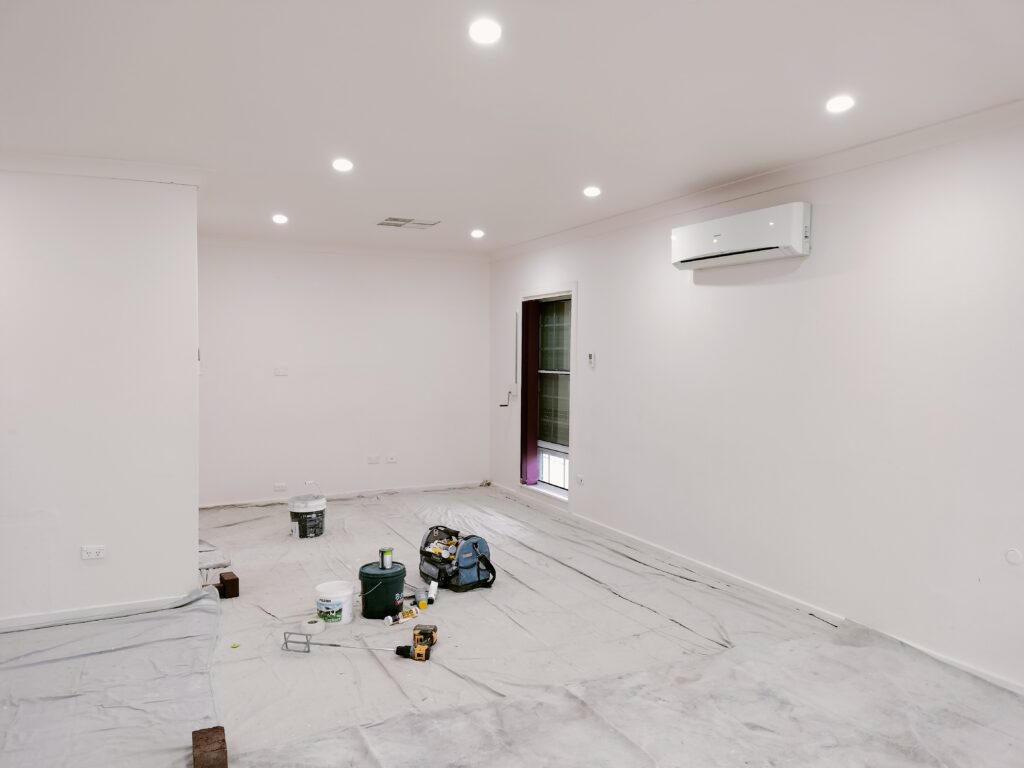
Interior vs Exterior Repainting
Interior and exterior painting can look similar, but they face different conditions.
| Interior painting | Exterior painting |
| Household wear | Sun exposure |
| Furniture contact | Rain and wind |
| Cleaning | Dust and outdoor contaminants |
| Kitchen and bathroom moisture | Temperature changes |
| Children and pets | Weather exposure |
| Room usage | Property orientation |
Exterior surfaces generally require more consideration of weather and exposure.
Interior surfaces require more attention to room usage, cleaning, moisture and appearance.
This is another reason why a single repainting schedule does not work for every part of a house.
DIY Repainting vs Hiring Professional Painters
Painting a small room can be a manageable DIY project when the walls are already in good condition.
A complete house repaint is different.
It can involve considerable preparation, equipment, access requirements and finishing work.
DIY may suit you when:
- The room is small
- The surface is sound
- There is little repair work
- You have suitable equipment
- You have enough time
- You are comfortable with preparation
Professional painting may be worthwhile when:
- Paint is extensively peeling
- Walls have significant cracks
- Surfaces need substantial preparation
- There are moisture stains
- Exterior access is difficult
- Several rooms need painting
- The entire house needs repainting
- You want a consistent professional finish
Professional preparation can involve inspection, cleaning, scraping, filling, sanding, priming and detailed finishing before the final coats are applied.
If you are comparing the DIY option with professional work, consider not just the cost of paint but also your time, equipment, preparation requirements and the condition of the existing surfaces.
Painting Services From SA Prep and Paint
If your Adelaide property is due for a repaint, SA Prep and Paint Services Pty Ltd provides painting services for homeowners and businesses across Adelaide and surrounding suburbs.
The team works on a range of projects, from refreshing individual rooms to larger residential and commercial repainting projects.
Their painting work includes:
- Residential painting
- Commercial painting
- Interior painting
- Wall painting
- Roof painting
- Complete home repainting
- Renovation painting
- Feature walls
The company is based in Paralowie and services Adelaide and nearby areas.
SA Prep and Paint focuses on detailed surface preparation, crack and dent repairs, smooth application, quality materials and keeping work areas clean and professional.
They also offer free painting quotes and colour advice for homeowners who are planning a repaint.
Thinking About Repainting Your Adelaide Home?
If your paint is fading, peeling or simply looking tired, SA Prep and Paint can assess the project and provide a quotation based on the work required.
For a quote, visit the Contact SA Prep and Paint page.
Recent Posts
How to Prepare Walls for Painting: An Adelaide Homeowner’s Guide
Learn how to prepare walls for painting in Adelaide with simple steps for cleaning, repairing, sanding and priming surfaces to...
How to Choose the Right Paint Finish for Every Room in Your Adelaide Home
Learn how to choose the right paint finish for every room in your Adelaide home, from living rooms and bedrooms...
Interior vs Exterior Paint: What Adelaide Homeowners Need to Know
Learn the key differences between interior and exterior paint, including durability, weather resistance, finishes and surface requirements. Discover how Adelaide...
+61 470 480 710
Contact and Whatsapp
saprepandpaintservices@outlook.com
contact us, we are available 24/7
Frequently Asked Questions
How often should you paint your house?
Many homeowners consider repainting exterior surfaces approximately every 7–10 years, but the actual timeframe depends on the surface, paint system, preparation, exposure and condition of the existing coating.
How often should you repaint the interior of your house?
Interior walls can often remain in good condition for several years, but high-traffic rooms may need repainting sooner because of scuffs, marks, cleaning and everyday use.
How do I know if my house needs repainting?
Common signs include fading, peeling, cracking, bubbling, chalking, stains, exposed surfaces and an increasingly worn appearance.
Does Adelaide weather affect exterior paint?
Yes. Sunlight, heat, wind, dust and rain can gradually affect exterior coatings. The level of impact depends on the property’s exposure and the condition of the existing paint.
Can I paint over old paint?
It depends on the condition of the existing coating. Stable, well-prepared paint may be suitable for repainting, while loose, peeling or unstable coatings need to be properly prepared first.