
Exterior painting requires suitable weather conditions to achieve a smooth, durable finish. Learn how temperature, humidity, rainfall, wind and sunlight...
Interior Painting Ideas That Can Help Increase Your Home’s Value
TABLE OF CONTENTS:
- Why Interior Painting Can Matter When Selling a Home
- Can Painting Really Increase Home Value?
- The Best Interior Paint Colours for Resale Appeal
- Why Neutral Colours Often Work Better Before Selling
- How Paint Colour Can Change the Feel of a Room
- Should You Paint the Whole House Before Selling?
- Which Rooms Should You Prioritise?
- Surface Preparation Matters More Than Most Homeowners Think
- Painting Before Selling: DIY or Professional?
- When Painting May Not Be Worth the Cost
- Interior Painting With SA Prep and Paint
- Frequently Asked Questions
Why Interior Painting Can Matter When Selling a Home
The condition of a home’s interior can influence a buyer’s first impression.
Walls are one of the largest visible surfaces inside a property. Therefore, faded colours, scuff marks, stains, peeling paint and visible repairs can make an otherwise well-maintained home appear older or less cared for.
Fresh paint can have the opposite effect.
Clean, consistent walls can make the property feel more finished. In addition, a well-chosen colour scheme can help rooms feel brighter and create a better visual connection between different areas of the house.
This does not mean buyers will automatically pay more because a house has been painted.
Instead, painting can remove some of the cosmetic issues that may distract buyers or make them feel that additional work will be required after moving in.
That is particularly useful when you are competing with other properties in the same market.
Can Painting Really Increase Home Value?
There is no paint colour or painting project that can guarantee a specific increase in your home’s value.
Property value depends on many factors, including location, land size, layout, condition, market demand and comparable sales.
However, presentation still matters.
A home that looks clean and well maintained can make a stronger impression than a similar property with tired walls and obvious cosmetic defects.
For example, imagine two otherwise similar homes.
The first has clean walls, fresh neutral colours, repaired imperfections and consistent finishes.
The second has faded paint, dark personalised colours, marked hallways and visible wall damage.
Even if the underlying properties are similar, the first home may feel more move-in ready to a buyer.
That is where interior painting can contribute to a property’s appeal.
RACQ also identifies painting as one of the practical home improvements homeowners can consider when preparing a property for resale. However, the organisation does not suggest that painting alone guarantees a particular return.
The better way to think about painting is therefore:
Improve the presentation → improve buyer appeal → potentially support the property’s marketability.
The Best Interior Paint Colours for Resale Appeal
Choosing interior paint colours for yourself is different from choosing them when preparing a home for sale.
If you are staying in the property, you can choose colours based entirely on your personality and preferences.
If you are selling, however, you want colours that work well with the property and appeal to a wider range of people.
Warm Whites
Warm whites can create a clean appearance without making a room feel excessively cold.
They can work well in:
- Living rooms
- Hallways
- Bedrooms
- Open-plan areas
- Kitchens
The exact shade matters, though. Some whites have warm undertones, while others appear cooler depending on the lighting.
Soft Beige
Soft beige can add warmth while remaining relatively neutral.
It can work particularly well with timber flooring, natural materials and traditional interiors.
Light Greige
Greige combines characteristics of grey and beige.
It can provide a contemporary appearance while remaining flexible enough to work with different furniture styles.
Soft Taupe
Taupe can provide more depth than white without becoming too dominant.
It can be useful in living rooms, bedrooms and dining areas where a slightly warmer atmosphere is desirable.
Muted Blue or Green
Soft, muted blue and green shades can work well when used selectively.
They may be suitable for bedrooms, studies or carefully chosen feature areas.
However, stronger versions of these colours should be used cautiously when selling because colour preferences are highly personal.
Why Neutral Colours Often Work Better Before Selling
Neutral colours are not necessarily better because they are fashionable.
They are useful because they give buyers more flexibility.
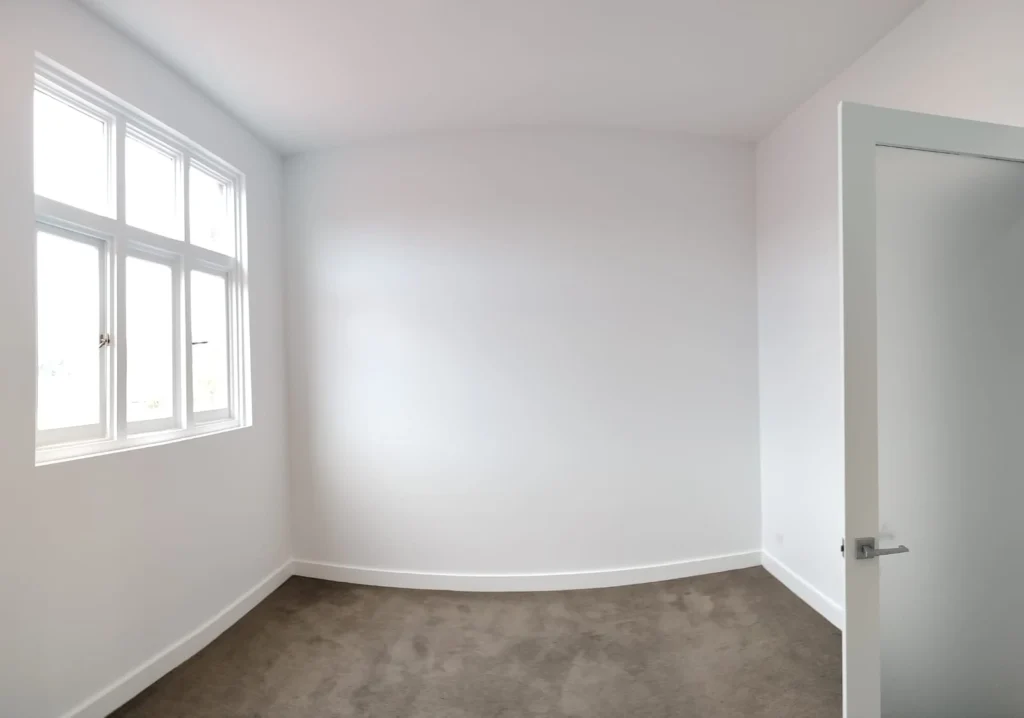
A potential buyer looking at a neutral living room can usually imagine different furniture, artwork and décor without having to mentally remove a strong wall colour first.
For example, a soft warm white can work with:
- Timber furniture
- Black accents
- Natural fabrics
- Modern furniture
- Traditional furniture
- Different flooring colours
That flexibility can be valuable when your goal is broad appeal.
However, neutral does not mean every wall needs to be bright white.
A home can still have warmth, contrast and character while maintaining a relatively neutral overall palette.
The key is coordination.
How Paint Colour Can Change the Feel of a Room
Colour does more than change the appearance of a wall.
It can influence how large, bright, warm or comfortable a room appears.
Making a Small Room Feel More Open
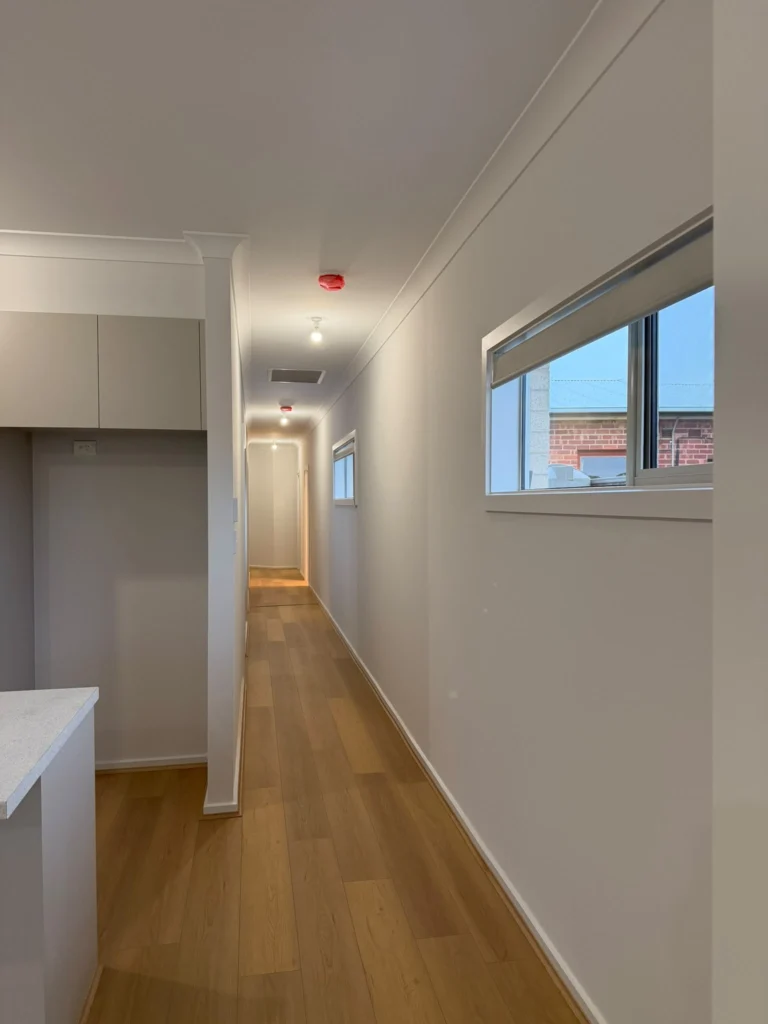
Light colours can reflect more available light and help create a sense of openness.
This can be useful in smaller bedrooms, narrow hallways and rooms with limited natural light.
Making a Large Room Feel More Comfortable
Very large rooms can sometimes feel empty when painted in stark white.
A soft neutral or slightly warmer shade can create a more comfortable atmosphere without making the room feel dark.
Improving Dark Areas
If a room receives limited natural light, a carefully selected light colour may help it feel brighter.
However, paint cannot create natural sunlight.
If the room is genuinely dark, also consider lighting, curtains and surrounding finishes.
Creating Better Flow
Using related colours throughout connected rooms can make a home feel more cohesive.
You do not need exactly the same shade everywhere.
Instead, choose colours that complement each other.
Should You Paint the Whole House Before Selling?
Not necessarily.
One of the biggest mistakes homeowners can make is assuming that every room needs to be repainted simply because they are putting the property on the market.
Start by assessing the existing condition.
A full repaint may make sense when:
- The paint is visibly faded
- Walls have extensive marks
- Several rooms have strong colours
- Paint is peeling
- Previous repairs are obvious
- Different rooms have clashing colours
- The property has not been painted for many years
- The existing finish makes the home look dated
On the other hand, repainting may be unnecessary when the existing walls are already clean, neutral and in good condition.
Instead, you could focus on the areas that need the most attention.
This targeted approach can be more practical when the goal is to improve presentation without spending unnecessarily.
Which Rooms Should You Prioritise?
If your budget is limited, start with the rooms that make the strongest visual impression.
Living Areas
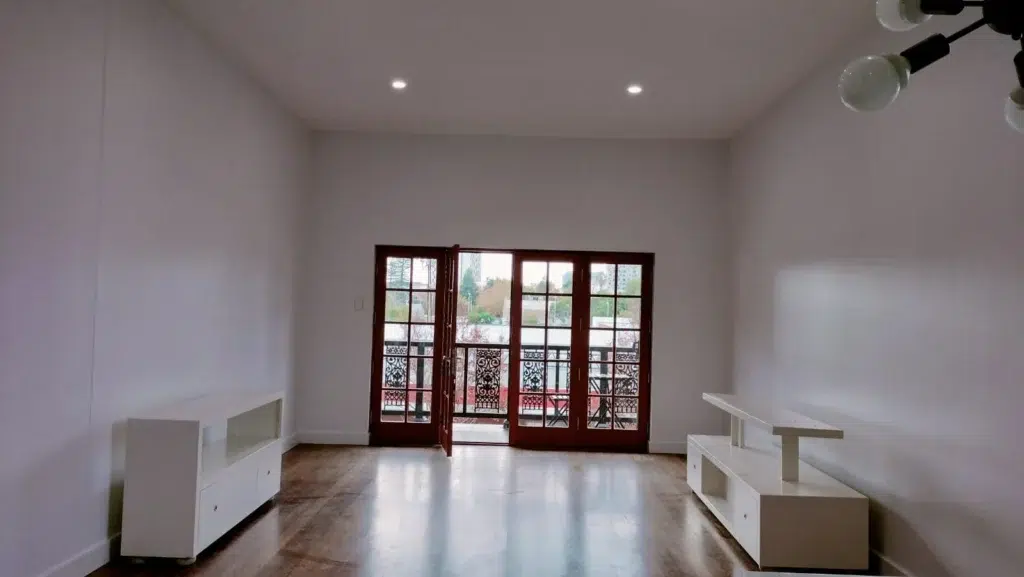
Living rooms are usually important during inspections because buyers can easily imagine how they would use the space.
Fresh, clean walls can make the room feel more inviting.
Entry and Hallways
These areas receive significant traffic and can accumulate marks.
Because they connect different rooms, their condition can influence how the rest of the home feels.
Main Bedroom
The main bedroom should feel comfortable and well maintained.
Soft neutral colours can help create a calm atmosphere.
Kitchen and Dining Areas
You may not need to renovate the kitchen to improve its presentation.
If the walls are marked or dated, repainting can provide a relatively simple refresh.
Bathrooms
Bathrooms require suitable paint products and preparation because of moisture and humidity.
If the walls are stained, peeling or damaged, investigate the cause before simply applying another coat.
Surface Preparation Matters More Than Most Homeowners Think
Choosing the right colour is only part of a successful painting project.
The condition of the surface underneath the paint can have a major impact on the final appearance.
Before painting, walls may need:
- Cleaning
- Sanding
- Filling
- Patching
- Scraping
- Priming
- Repairing
- Removal of loose or peeling coatings
If these steps are skipped, imperfections can remain visible through the new finish.
In some cases, new paint can even make defects more noticeable because a fresh, uniform colour draws attention to uneven areas.
Dulux’s painting guidance similarly places emphasis on proper surface preparation before applying coatings.
This is one reason why comparing painting quotes based only on price can be misleading.
A cheaper quote may not include the same level of preparation.
Painting Before Selling: DIY or Professional?
DIY painting can make sense for homeowners who have the time, equipment and confidence to complete a small project.
For example, repainting one bedroom with walls that are already in good condition may be manageable.
However, the situation changes when you are preparing an entire house for sale.
A larger project may involve:
- Multiple rooms
- Ceilings
- Doors and trims
- Wall repairs
- Extensive sanding
- Primer
- Difficult access
- Furniture protection
- Detailed cutting-in
- Significant clean-up
At that point, the time commitment can become substantial.
DIY Painting
Advantages:
- Lower labour cost
- Flexible schedule
- Suitable for smaller projects
- You control the colour and process
Disadvantages:
- Requires significant time
- Equipment may need to be purchased
- Preparation can be physically demanding
- Finish quality depends on experience
- Mistakes may require additional work
Professional Painting
Advantages:
- Less work for the homeowner
- More consistent application
- Experience with surface preparation
- Suitable for larger projects
- Professional equipment and processes
Disadvantages:
- Higher upfront cost
- You need to coordinate access
- You should compare quotes carefully
Ultimately, the better choice depends on the size and condition of your project.
When Painting May Not Be Worth the Cost
Painting is not always the highest-priority improvement.
If your home has major structural problems, significant water damage, serious electrical issues or other obvious maintenance concerns, those problems may deserve attention first.
Similarly, if the existing paint is already clean, neutral and in good condition, a complete repaint may provide limited benefit.
Before spending money, walk through the property critically.
Ask yourself:
What will a buyer notice first?
If the answer is dirty walls and outdated colours, painting may be worthwhile.
If the answer is damaged flooring, poor lighting or obvious maintenance issues, your budget may be better allocated elsewhere.
The strongest pre-sale strategy is usually not about spending the most money.
It is about spending money where buyers are most likely to notice the difference.
Interior Painting With SA Prep and Paint
Recent Posts
How to Prepare Walls for Painting: An Adelaide Homeowner’s Guide
Learn how to prepare walls for painting in Adelaide with simple steps for cleaning, repairing, sanding and priming surfaces to...
How to Choose the Right Paint Finish for Every Room in Your Adelaide Home
Learn how to choose the right paint finish for every room in your Adelaide home, from living rooms and bedrooms...
Interior vs Exterior Paint: What Adelaide Homeowners Need to Know
Learn the key differences between interior and exterior paint, including durability, weather resistance, finishes and surface requirements. Discover how Adelaide...
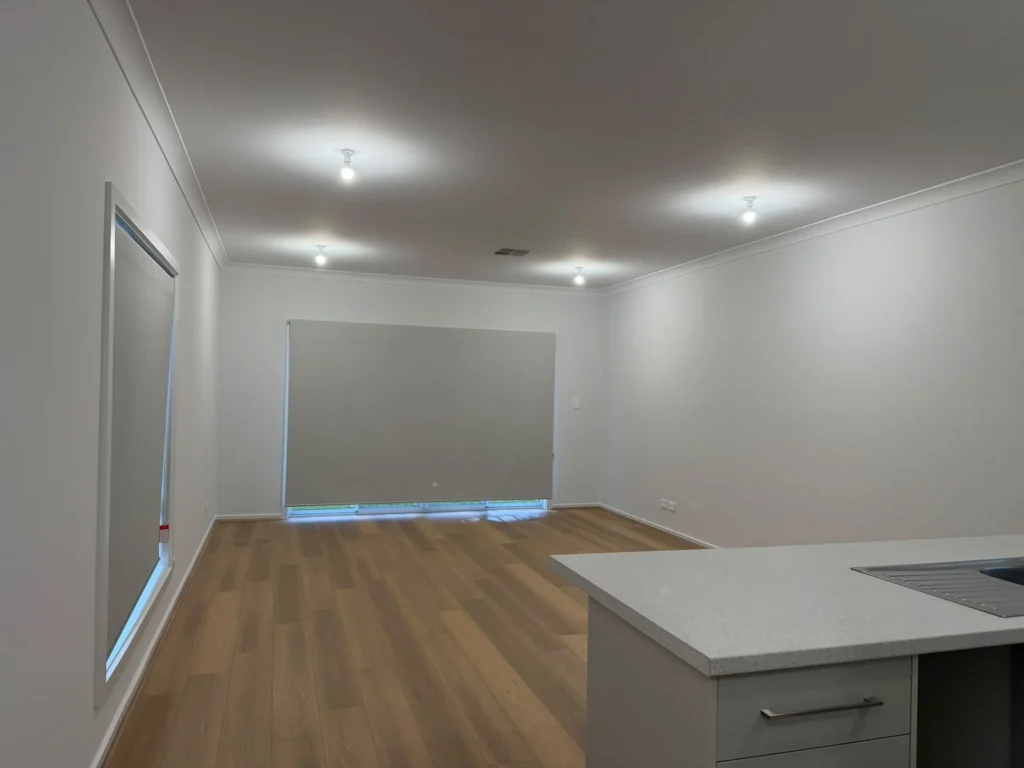
For homeowners preparing a property in Adelaide, SA Prep and Paint provides professional painting services with a focus on preparation, application and a clean finished result.
Our services include interior painting, residential painting and other painting solutions for homes and properties throughout Adelaide.
Whether you need several rooms refreshed or a broader interior repaint before selling, the first step is to assess the condition of the existing surfaces.
From there, the appropriate preparation, paint system and finish can be discussed.
If you are unsure how much painting your home actually needs, getting professional advice can help you avoid repainting areas that are already in good condition.
Thinking about painting your Adelaide home before selling?
+61 470 480 710
Contact and Whatsapp
saprepandpaintservices@outlook.com
contact us, we are available 24/7
Frequently Asked Questions
Can interior painting increase the value of a home?
Interior painting can improve the presentation and buyer appeal of a property, but it cannot guarantee a specific increase in market value. Fresh, well-maintained interiors can make a home feel cleaner and more move-in ready.
What paint colours are best for selling a house?
Warm whites, soft beige, light greige and other understated neutral colours can be practical choices because they provide a flexible background for different furniture and decorating styles.
What paint colours add value to a home?
No specific paint colour guarantees added value. Colours that improve the property’s presentation, work with the existing finishes and appeal to a broad range of buyers are generally more useful when preparing a home for sale.
Should I paint my house before selling?
Painting can be worthwhile if the walls are marked, faded, damaged or strongly personalised. If the existing paint is already clean and neutral, targeted painting may be more appropriate than repainting the entire property.
Is it better to paint the whole house before selling?
Not always. Assess the condition of each room first. Prioritising high-traffic areas, living spaces, hallways and visibly tired rooms can sometimes provide a better result than repainting every surface.
Is white paint a good choice when selling a house?
White can be a good choice, particularly when the shade suits the property’s lighting and existing finishes. Warm or soft whites can provide a less stark appearance than very bright white.
What is the best neutral paint colour for resale?
There is no universal best neutral. Warm white, beige, greige and soft taupe can all work well depending on the flooring, lighting, furniture and architectural style of the home.