
Exterior painting requires suitable weather conditions to achieve a smooth, durable finish. Learn how temperature, humidity, rainfall, wind and sunlight...
Why Hire Professional House Painters? 7 Benefits Homeowners Should Know
TABLE OF CONTENTS:
- What Do Professional House Painters Actually Do?
- 7 Benefits of Hiring Professional House Painters
- Professional Painting vs DIY: Which Is Better?
- Are Professional House Painters Worth the Cost?
- When Should You Hire a Professional Painter?
- How to Choose the Right House Painter
- What Should Be Included in a Painting Quote?
- How to Prepare Your Home Before Painters Arrive
- Professional House Painting With SA Prep and Paint
- Final Thoughts
- Frequently Asked Questions
What Do Professional House Painters Actually Do?
Before comparing DIY painting with professional painting, it helps to understand what you are actually paying for.
A professional painting job is much more than applying two coats of paint.
Depending on the property and condition of the surfaces, the process may include:
- Inspecting walls, ceilings, trims and other surfaces
- Identifying cracks, holes, peeling or damaged paint
- Cleaning and preparing surfaces
- Sanding rough or failing areas
- Filling holes and minor imperfections
- Priming surfaces where required
- Protecting floors, furniture, fittings and surrounding areas
- Selecting suitable paints and finishes
- Applying coatings consistently
- Cutting in around windows, doors and other details
- Checking the finish between coats
- Cleaning the work area after completion
The exact preparation depends on the surface.
For example, a previously painted interior wall in reasonable condition may need relatively simple preparation. An older exterior surface with peeling paint, chalking, cracks or weather damage may require considerably more work before painting can begin.
This preparation is one of the biggest differences between simply painting a house and having it professionally repainted.
Paint manufacturers also emphasise the importance of suitable surface preparation. For example, Dulux guidance for coating systems requires surfaces to be clean, sound and free from contaminants, with imperfections appropriately repaired and certain substrates correctly cured before coating.
A good painter therefore does not simply ask, “What colour do you want?”
They also need to ask, “What condition is the surface in, and what does it need before the new coating goes on?”
7 Benefits of Hiring Professional House Painters
1. Better Surface Preparation
Good painting starts with proper preparation. Professional painters inspect walls for cracks, holes, peeling paint, stains and uneven areas before applying new paint.
Depending on the surface, preparation may include cleaning, sanding, filling, scraping or priming. This helps create a smoother finish and gives the new coating a better foundation.
Poor preparation can cause new paint to look uneven or fail prematurely, even when good-quality paint is used.
2. A More Consistent, Professional Finish
Professional painters know how to achieve even coverage, clean edges and consistent results across walls, ceilings, doors and trims.
They also understand how factors such as drying time, paint application and natural light can affect the final appearance.
This experience is particularly useful for large open-plan areas, feature walls, dark-to-light colour changes and rooms with strong natural light.
3. The Right Paint and Products for the Job
Choosing paint involves more than picking a colour. Different surfaces and rooms may require different finishes, primers or products.
Professional house painting experts can recommend suitable products based on the surface, location, expected wear and desired finish.
They can also help calculate the amount of paint and materials required, reducing unnecessary waste or last-minute purchases.
4. Saves You Time and Physical Effort
Painting a house involves much more than rolling paint onto walls.
You may need to move furniture, protect floors, prepare surfaces, apply multiple coats, complete touch-ups and clean everything afterwards.
For a whole-home repaint, this can take several weekends or longer.
Hiring professional painters allows you to spend less time dealing with ladders, paint tins and unfinished rooms while experienced tradespeople manage the project.
5. Safer Painting Work
Painting can involve ladders, elevated areas, dust, chemicals and awkward working positions.
Older homes may also require additional care around previous coatings or potentially hazardous materials.
SafeWork SA provides specific guidance for lead-risk work and asbestos, so suspected hazardous materials should be assessed and handled appropriately before painting begins.
Professional painters can also help reduce the everyday risks associated with accessing and working on difficult areas
6. Better Results on Difficult Surfaces
Not every painting job involves simple, smooth walls.
Professional painters can work with surfaces affected by peeling paint, cracks, stains, weathering, glossy coatings, textured finishes, dark colours and other imperfections.
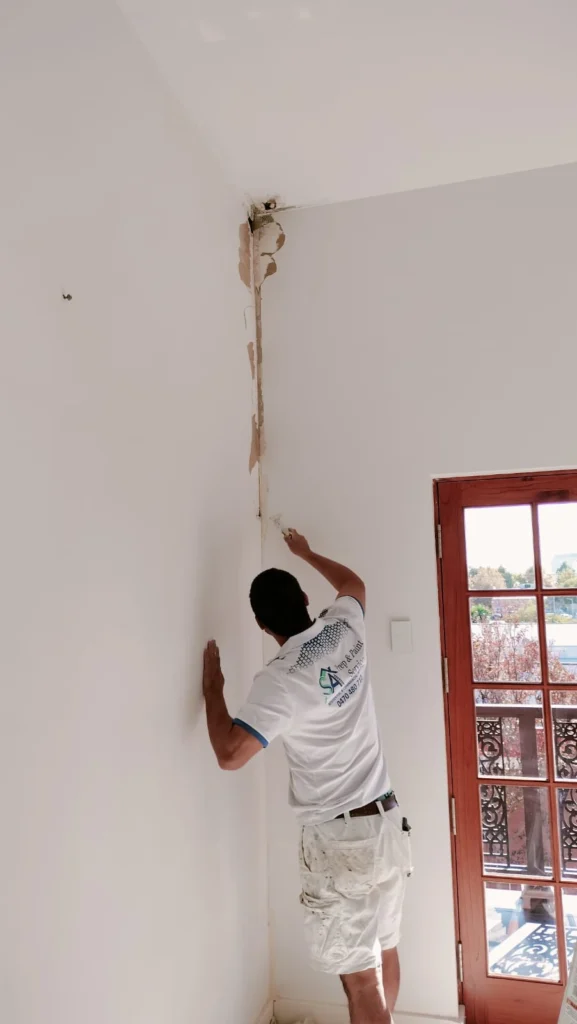
For example, peeling paint should be properly prepared rather than simply covered with another coat.
Exterior surfaces can also require additional preparation because they are exposed to Adelaide’s sun, heat, rain, wind and dust.
7. Better Long-Term Results
A professional paint job is about more than making your home look fresh on the day it is finished.
The condition of the surface, preparation, product selection, application technique, number of coats and ongoing maintenance can all affect how well the finish performs over time.
While professional painting does not prevent future maintenance, proper preparation and application can provide a stronger starting point and help you avoid unnecessary repainting caused by poor workmanship.
In short, you are paying for more than paint application you are paying for preparation, experience, efficiency and a professional finish.
Professional Painting vs DIY: Which Is Better?
DIY painting is not automatically a bad choice.
For some small projects, it can be enjoyable and cost-effective.
A homeowner who wants to repaint a small bedroom and has the time, equipment and confidence to prepare the walls properly may be perfectly capable of doing the work.
The situation changes when the project becomes larger or more complicated.
| Factor | DIY Painting | Professional Painting |
|---|---|---|
| Initial labour cost | Lower | Higher |
| Your time required | High | Much lower |
| Equipment | Must be purchased or hired | Usually provided |
| Surface preparation | Depends on experience | Included in professional process |
| Large projects | More difficult | More efficient |
| High areas | More challenging | Better equipped |
| Finish consistency | Depends on skill | Experienced application |
| Product selection | Homeowner responsibility | Professional guidance |
| Safety considerations | Homeowner manages risks | Professional controls and procedures |
| Clean-up | Homeowner | Usually included |
| Best suited to | Small, straightforward projects | Whole homes and complex projects |
The key question is not:
Can I paint this?
Most people can physically put paint on a wall.
The better question is:
Can I prepare, paint and finish the entire project to the standard I want, within the time I have available?
For many homeowners, the answer is where professional painting starts to make more sense.
Are Professional House Painters Worth the Cost?
This is probably the question most homeowners have before requesting a quote.
The honest answer is: it depends on the project.
If you are painting one small room and enjoy DIY work, doing it yourself may be perfectly reasonable.
If you are repainting an entire home, dealing with damaged surfaces or preparing a property for sale, the calculation changes.
Consider what the quote includes
A professional painting quote may cover much more than paint application.
It can include:
- Labour
- Surface preparation
- Minor filling and sanding
- Priming where required
- Paint and materials
- Drop sheets and protection
- Equipment
- Application
- Touch-ups
- Clean-up
When comparing quotes, make sure you are comparing the same scope.
A quote that appears cheaper may exclude preparation, repairs, ceilings, trims or certain materials.
Ask for a clear scope of work
Instead of asking only:
How much will it cost to paint my house?
ask:
What exactly is included in the price?
That one question can make comparing painters much easier.
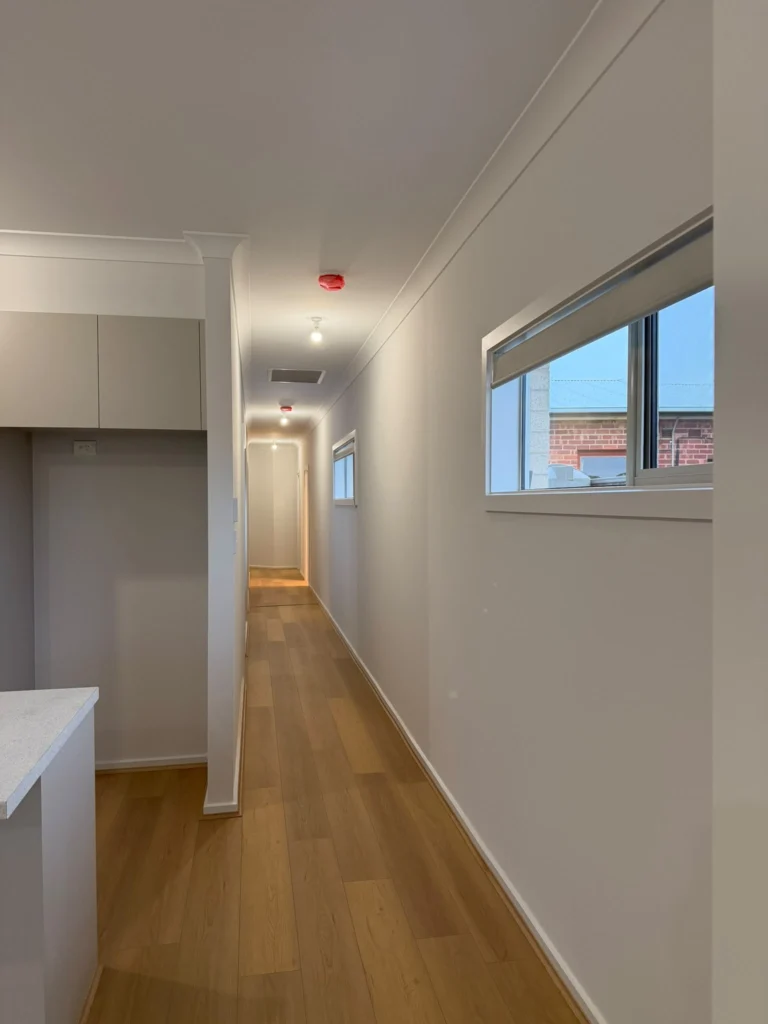
When Should You Hire a Professional Painter?
There is no single rule that says every homeowner needs professional painters.
However, professional help becomes particularly valuable in the following situations.
You Are Painting the Whole House
A whole-home repaint is a major project.
There are multiple rooms, surfaces, colours, preparation requirements and clean-up tasks.
The workload increases quickly.
The Walls Need Significant Preparation
If you have peeling paint, cracks, holes, stains or damaged surfaces, preparation becomes an important part of the job.
You Have High Ceilings or Difficult Access
High walls and ceilings can make DIY painting more difficult and increase the risks associated with ladders and awkward positions.
You Are Short on Time
If you need the work completed before moving into a property, selling, renting or hosting an event, professional labour can make a significant difference.
You Are Changing From Dark to Light Colours
Strong colour changes often require careful planning and application.
You Want a Consistent Finish
If the finished appearance matters, particularly in open-plan spaces with strong natural light, professional application can be worthwhile.
You Are Painting an Exterior
Exterior painting involves additional preparation and exposure considerations.
You Are Preparing Your Home for Sale
A fresh, neutral and professionally finished interior can help a property look cleaner and more presentable during inspections.
It is important not to assume that repainting automatically increases a property’s value by a specific amount. The benefit is usually more practical: improving presentation and addressing visibly tired surfaces.
How to Choose the Right House Painter
Finding a painter is easy.
Finding the right painter for your particular project requires a little more research.
Here are several questions worth asking.
1. Do They Have Relevant Experience?
Look for experience with the type of work you need.
Interior walls, exterior surfaces, roofs, feature walls and detailed restoration work can all require different approaches.
2. Can They Explain Their Preparation Process?
A good painter should be able to explain what needs to happen before painting begins.
If a quote says simply “paint walls” without describing preparation, ask for clarification.
3. Do They Provide a Detailed Quote?
A written quote should make the scope understandable.
4. Can You See Examples of Their Work?
A gallery can give you an idea of the quality and types of projects the company handles.
For example, you can view the SA Prep and Paint project gallery when evaluating previous work.
5. Are They Easy to Communicate With?
Communication matters during a painting project.
You should feel comfortable asking:
- What paint will be used?
- How many coats are included?
- What preparation is required?
- How long should the job take?
- What happens if additional repairs are discovered?
- What areas are included?
- Who supplies the materials?
A professional relationship should make these questions easy to discuss.
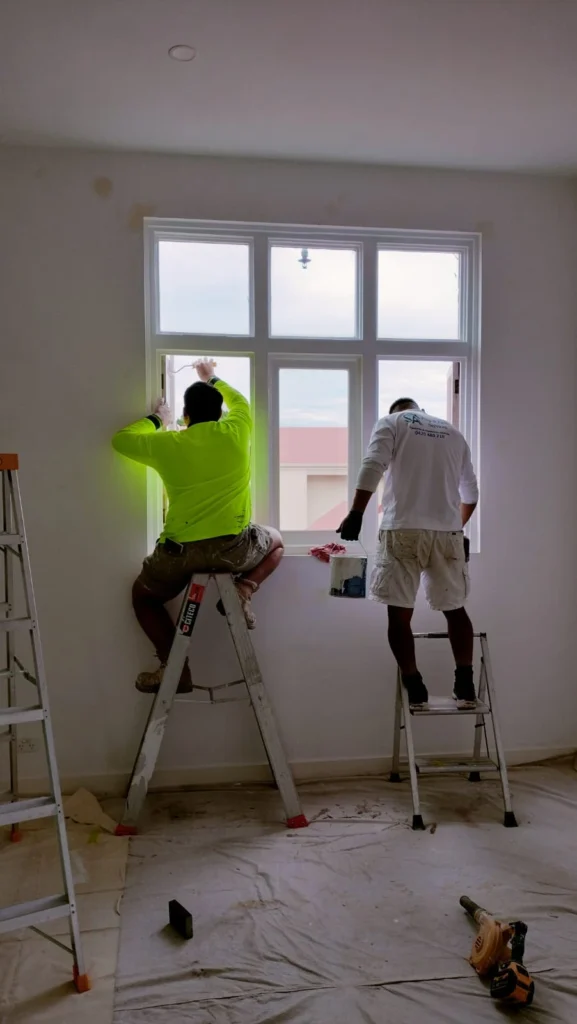
What Should Be Included in a Painting Quote?
Before accepting a quote, check the details.
A useful painting quote should clearly identify the scope of work.
Look for:
Areas being painted
Are bedrooms, hallways, ceilings, doors, frames and trims included?
Preparation
Does the quote include cleaning, sanding, filling, scraping or minor repairs?
Paint
Does it identify the paint system or product range?
Coats
Does it state the expected number of coats or explain that coverage depends on the existing surface?
Colours
Are the colours specified?
Protection
Does the painter protect floors, furniture and surrounding surfaces?
Clean-up
Is the work area cleaned after completion?
Additional work
What happens if unexpected damage is discovered?
Timeframe
Is there an estimated start and completion timeframe?
Payment
Are payment stages or deposit requirements clearly explained?
A clear quote helps both the homeowner and painter understand what has been agreed.
How to Prepare Your Home Before Painters Arrive
Hiring professional painters does not mean homeowners have nothing to do.
A little preparation can help the project run more smoothly.
Remove Small Personal Items
Take photographs, decorations, ornaments and other small items away from the walls.
Move Valuable Items
If possible, move valuable or fragile belongings away from the work area.
Discuss Furniture
Ask the painting company what they prefer regarding larger furniture.
Some painters can move or protect certain items as part of their process, while others may ask homeowners to move specific furniture beforehand.
Confirm Colours
Have your final colours confirmed before the project starts.
If you are still deciding between several colours, ask your painter or paint supplier about sample testing.
Keep Children and Pets Away From Work Areas
Painting involves equipment, wet coatings and work materials.
Keeping children and pets away from active work areas helps everyone work safely.
Tell the Painter About Known Problems
If you know about:
- Previous leaks
- Water stains
- Mould
- Peeling paint
- Cracks
- Previous repairs
- Old coatings
- Suspected hazardous materials
tell the painter before work begins.
That information can affect the preparation process.
Professional House Painting With SA Prep and Paint
Choosing a painter is ultimately about more than finding someone who can apply paint.
You want a team that understands the condition of the surfaces, pays attention to preparation and communicates clearly throughout the project.
SA Prep and Paint Services Pty Ltd provides painting services for Adelaide homeowners and businesses, including residential painting, interior painting, exterior painting, wall painting, roof painting, feature walls and complete home repainting.
For homeowners planning a residential project, you can learn more about the company’s residential painting services.
For commercial properties, see the commercial painting services.
If your project involves interior walls, you can also explore the professional interior painting services in Paralowie.
What should you expect from a professional painting service?
A good project should begin with understanding what needs to be done rather than immediately reaching for a roller.
That means discussing:
- The surfaces involved
- Existing paint condition
- Preparation requirements
- Colour choices
- Suitable finishes
- Project timeframe
- Access requirements
- Protection of surrounding areas
- Final expectations
The aim is to make the process straightforward for the homeowner while achieving a clean and durable result.
Final Thoughts: Is Hiring Professional House Painters Worth It?
For a small and straightforward DIY project, painting your own home can be a satisfying way to save money.
But a complete house repaint is a different proposition.
The benefits of hiring professional house painters go well beyond having someone apply paint to your walls.
You are also paying for preparation, experience, equipment, efficiency, consistency and a structured approach to the project.
The seven main benefits are:
- Better surface preparation
- A more consistent professional finish
- Better product selection
- Less time and physical effort for you
- A safer approach to painting work
- Better handling of difficult surfaces
- Better potential for long-term results
The right choice ultimately depends on your property, budget, available time and expectations.
If you enjoy DIY and are repainting a small room, doing it yourself may be perfectly reasonable.
If you are dealing with an entire house, difficult surfaces, high areas, exterior work or a tight timeframe, getting a professional quote is often worth considering.
Before choosing a painter, compare more than the price.
Look at the preparation, scope, products, experience, communication and what is actually included in the quote.
That is how you can make a decision based on the value of the entire project rather than simply choosing the cheapest number.
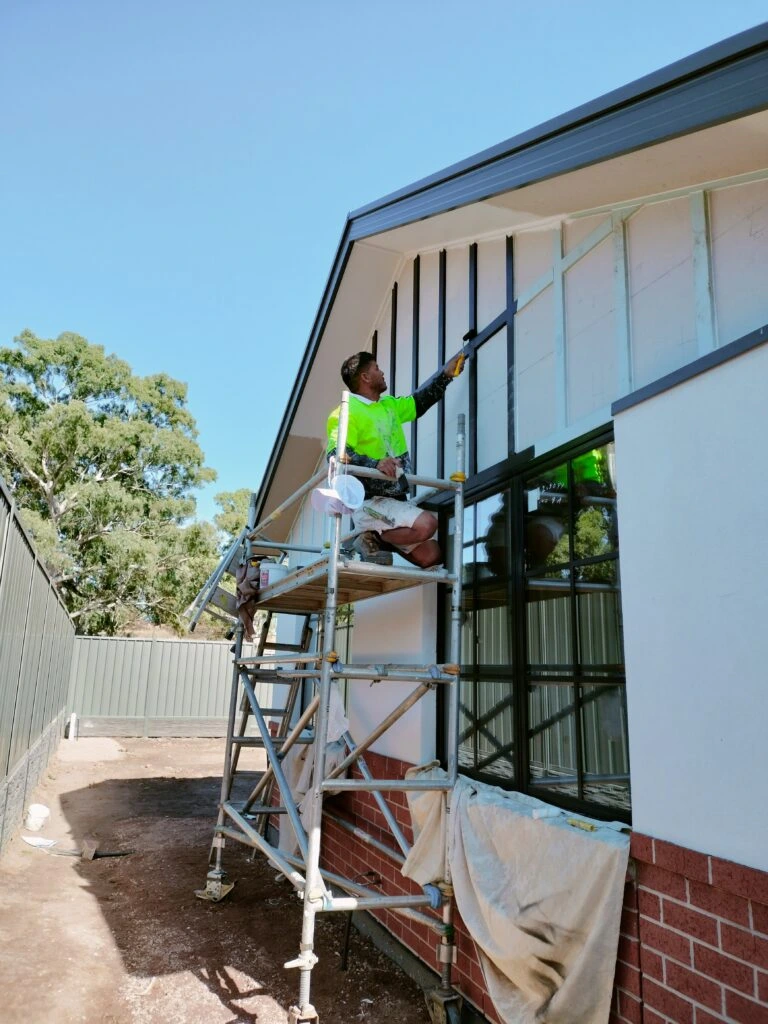
Recent Posts
How to Prepare Walls for Painting: An Adelaide Homeowner’s Guide
Learn how to prepare walls for painting in Adelaide with simple steps for cleaning, repairing, sanding and priming surfaces to...
How to Choose the Right Paint Finish for Every Room in Your Adelaide Home
Learn how to choose the right paint finish for every room in your Adelaide home, from living rooms and bedrooms...
Interior vs Exterior Paint: What Adelaide Homeowners Need to Know
Learn the key differences between interior and exterior paint, including durability, weather resistance, finishes and surface requirements. Discover how Adelaide...
+61 470 480 710
Contact and Whatsapp
saprepandpaintservices@outlook.com
contact us, we are available 24/7
Frequently Asked Questions
What are the main benefits of hiring professional house painters?
The main benefits include better surface preparation, a more consistent finish, professional product selection, reduced time and effort, safer work practices, better handling of difficult surfaces and a more structured painting process.
Is it cheaper to paint a house yourself?
DIY painting can reduce labour costs, but it does not necessarily make the entire project cheaper. Homeowners also need to consider paint, preparation materials, equipment, time, waste and the possibility of needing to correct mistakes.
For a small room, DIY may make financial sense. For a whole-house project, it is worth comparing the total DIY cost with professional quotes.
Is professional painting better than DIY?
It depends on the project. DIY can work well for small, simple areas when the homeowner has the time and skills required. Professional painting is generally more suitable for larger projects, difficult surfaces, exterior work and homeowners who want a consistent finish without managing the entire process themselves.
How do I know if I need a professional painter?
Consider hiring a professional if you are painting multiple rooms, dealing with peeling or damaged surfaces, working on high walls or ceilings, repainting an exterior, changing from dark to light colours or working with a tight deadline.
What should I ask a house painter before hiring them?
Ask about preparation, paint products, coats, the areas included, estimated timeframe, protection of furniture and floors, clean-up, additional repairs and what is included in the quote.
It is also useful to ask for examples of previous work and relevant experience.
Do professional painters prepare the walls before painting?
Preparation depends on the condition and type of surface, but professional painting projects commonly involve some combination of cleaning, sanding, filling, scraping, repairing and priming where required.
The exact preparation should be discussed before work begins.
How long does professional house painting take?
There is no single timeframe for every house. The duration depends on the size of the property, number of rooms, surface condition, preparation requirements, number of coats, access and drying conditions.
A professional painter should be able to provide an estimated timeframe after assessing the project.